17 Easy & Delicious White Fish Recipes to Make at Home

Looking for tasty ways to cook white fish?
You’re in the right place!
White fish is healthy, delicious, and easy to make.
In this article, we’ll share simple recipes that are perfect for any meal.
Get ready to enjoy some fresh and flavorful dishes.
Let’s get started!
1. Pan-Seared Cod with Lemon Butter Sauce
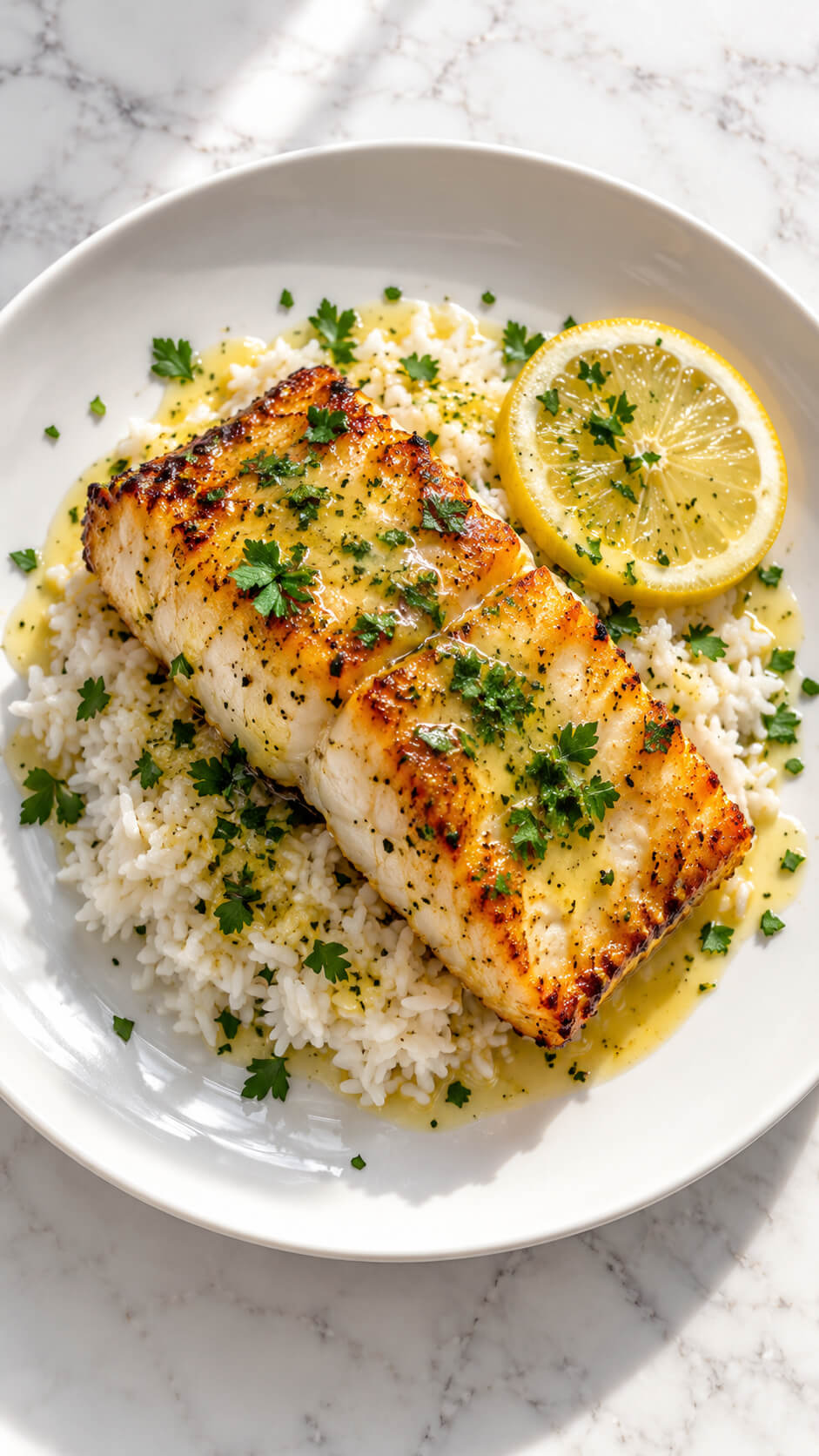
A classic that never gets old, pan-seared cod is a go-to when you want something light but indulgent.
Picture a golden crust on tender, flaky cod, all bathed in a velvety lemon butter sauce.
Pair it with roasted veggies or rice, and you’ve got a meal that feels fancy but is deceptively simple.
The zing of lemon and the creaminess of butter are a match made in fish-lover heaven.
Ingredients
- 2 cod fillets, about 6 oz (170 g) each
- 2 cups cooked white rice
- 2 tablespoons olive oil
- 2 tablespoons unsalted butter
- 3 cloves garlic, finely minced
- 2 tablespoons fresh lemon juice
- 1 teaspoon lemon zest
- ¼ cup fresh parsley, finely chopped
- ½ teaspoon paprika
- ½ teaspoon salt
- ¼ teaspoon black pepper
- 1 lemon, sliced into rounds
For the lemon butter sauce
- 3 tablespoons unsalted butter
- 2 tablespoons fresh lemon juice
- 1 teaspoon lemon zest
- 1 tablespoon fresh parsley, finely chopped
- 1 small garlic clove, finely minced
- Pinch of salt
- Pinch of black pepper
Instructions
1. Prepare the cod
Pat the cod fillets thoroughly dry with paper towels. Season both sides evenly with salt, black pepper, and paprika. Let the fish sit at room temperature for about 5 minutes so the seasoning adheres and the cod cooks more evenly.
2. Heat the pan
Heat the olive oil in a large nonstick or heavy-bottomed skillet over medium-high heat. The oil should be hot and shimmering but not smoking, which helps create a beautifully golden crust on the cod.
3. Sear the cod
Place the seasoned cod into the hot pan and cook undisturbed for about 3–4 minutes. Carefully turn the fillets and cook for another 3–4 minutes, depending on their thickness, until the outside is golden and crisp and the fish flakes easily with a fork.
4. Add the butter and garlic
Reduce the heat to medium and add 2 tablespoons of butter and the minced garlic to the pan. Once the butter melts, gently spoon the fragrant garlic butter over the cod for about 30–60 seconds without allowing the garlic to burn.
5. Make the lemon butter sauce
Melt 3 tablespoons of butter in a small saucepan or clean skillet over low heat. Stir in the lemon juice, lemon zest, minced garlic, parsley, salt, and black pepper. Cook gently for about 1–2 minutes until the sauce is glossy and fragrant.
6. Prepare the rice
Warm the cooked white rice and fluff it gently with a fork. Spoon the rice onto the center of each white serving plate, creating a soft bed for the golden cod.
7. Arrange the cod
Place one golden cod fillet on top of the rice. Spoon the warm lemon butter sauce generously over the fish, allowing some of the sauce to run onto the rice for extra flavor.
8. Add the garnish
Sprinkle freshly chopped parsley over the cod and rice. Place a lemon slice beside each fillet and drizzle a small amount of the lemon butter sauce over the lemon for a glossy, finished presentation.
9. Serve the cod
Serve immediately while the cod is hot and the lemon butter sauce is still silky and glossy. Garnish with a few additional parsley leaves and a light squeeze of fresh lemon juice just before eating.
Tip
For the most golden and crispy crust, make sure the cod is very dry before seasoning and searing. Avoid moving the fish while the first side cooks; letting it remain undisturbed allows the surface to develop a beautiful golden-brown crust. For an especially glossy finish, spoon the lemon butter sauce over the cod immediately before serving.
2. Baked Halibut with Herb Crust
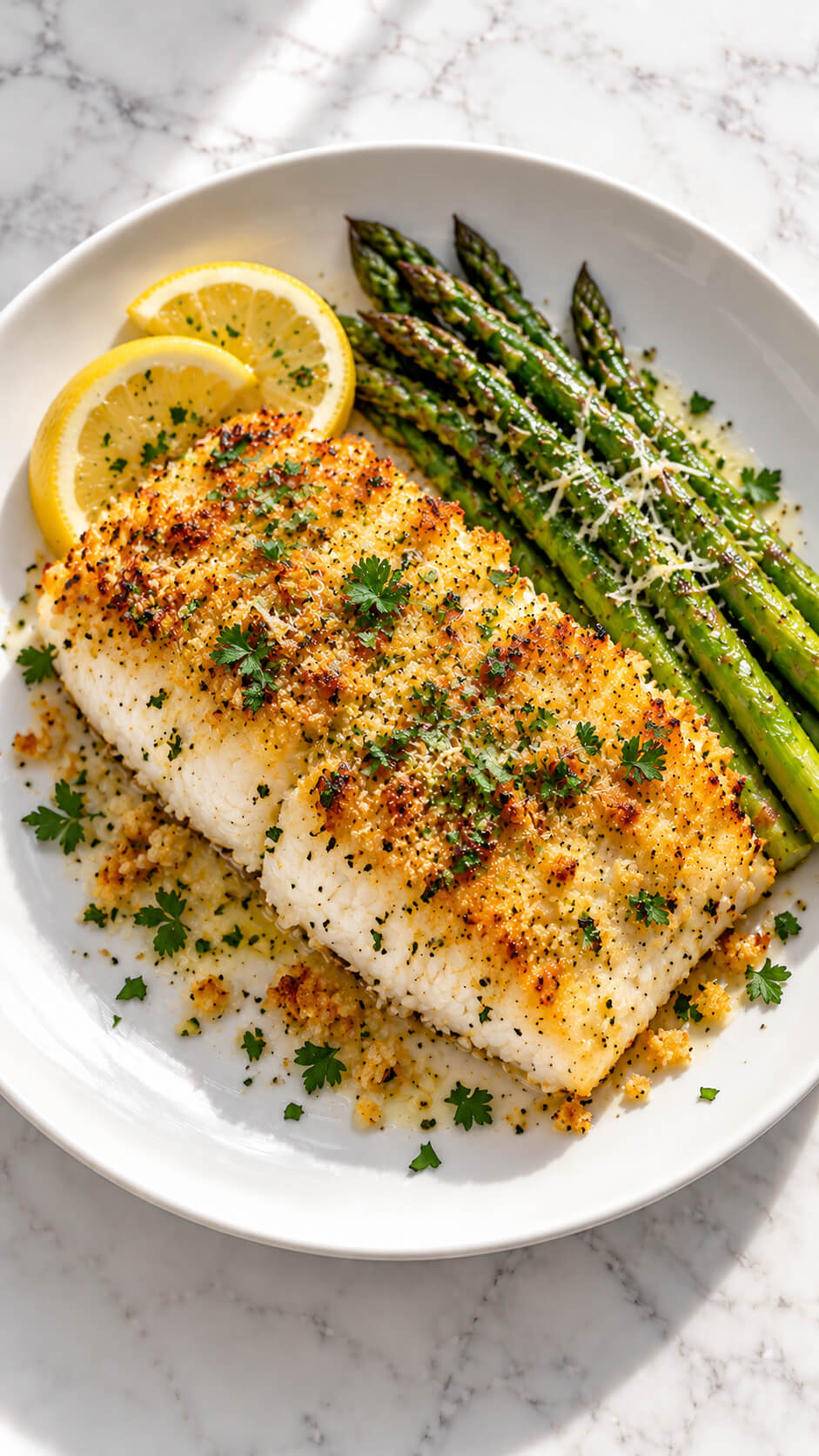
When you want your fish to feel like it is dressed up for the occasion, baked halibut with a crunchy herb crust is the way to go.
A mix of breadcrumbs, parsley, garlic, and a hint of Parmesan bakes into a crispy topping that’s downright irresistible.
The fish stays moist underneath, and it’s perfect with a side of asparagus or a zesty salad.
Ingredients
- 2 halibut fillets, about 6 oz (170 g) each
- ½ cup panko breadcrumbs
- ¼ cup freshly grated Parmesan cheese
- 2 tablespoons fresh parsley, finely chopped
- 2 cloves garlic, finely minced
- 1 tablespoon olive oil
- 1 tablespoon melted butter
- ½ teaspoon lemon zest
- ½ teaspoon salt
- ¼ teaspoon black pepper
- ½ teaspoon dried Italian herbs
- 1 tablespoon fresh lemon juice
- 1 lemon, sliced
- 1 bunch fresh asparagus
- 1 tablespoon olive oil, for the asparagus
- Salt and black pepper, to taste
Instructions
1. Preheat the oven
Preheat the oven to 425°F (220°C). Line a baking sheet with parchment paper or lightly grease a baking dish to prevent the halibut from sticking.
2. Prepare the herb crust
Combine the panko breadcrumbs, Parmesan cheese, chopped parsley, minced garlic, lemon zest, Italian herbs, salt, and black pepper in a small bowl. Add the melted butter and olive oil, then mix until the breadcrumbs are evenly coated and the mixture feels slightly moist and crumbly.
3. Season the halibut
Pat the halibut fillets dry with paper towels. Brush the tops lightly with fresh lemon juice, then season with a small amount of salt and black pepper. Drying the fish well helps the crust adhere and prevents excess moisture from making it soggy.
4. Add the herb crust
Press the breadcrumb mixture firmly over the top of each halibut fillet, creating an even layer. Make sure the crust covers the surface without being packed too tightly, so it can become crisp and golden as it bakes.
5. Prepare the asparagus
Arrange the asparagus spears around the halibut on the prepared baking sheet or place them in a separate baking dish. Drizzle with olive oil and season lightly with salt and black pepper, turning the spears gently to coat them evenly.
6. Bake the halibut
Place the halibut and asparagus in the oven and bake for about 12–16 minutes, depending on the thickness of the fillets. The crust should become golden and crisp while the fish turns opaque and flakes easily when gently tested with a fork.
7. Broil the crust
For an extra-golden topping, switch the oven to broil for the final 1–2 minutes. Watch the fish closely during this time because the Parmesan and breadcrumbs can brown quickly.
8. Arrange the dish
Transfer the baked halibut to a clean white plate and arrange the roasted asparagus alongside it. Add a few fresh lemon slices beside the fish and scatter a little chopped parsley over the plate for a fresh finish.
9. Serve the halibut
Serve immediately while the herb crust is crisp and the halibut is moist and tender inside. Squeeze fresh lemon juice over the fish just before eating for a bright contrast to the buttery, savory crust.
Tip
For the crispiest herb crust, panko breadcrumbs work better than regular breadcrumbs because their larger flakes create more texture. Avoid covering the fish while baking, as trapped steam can soften the crust.
3. Fish Tacos with Mango Salsa
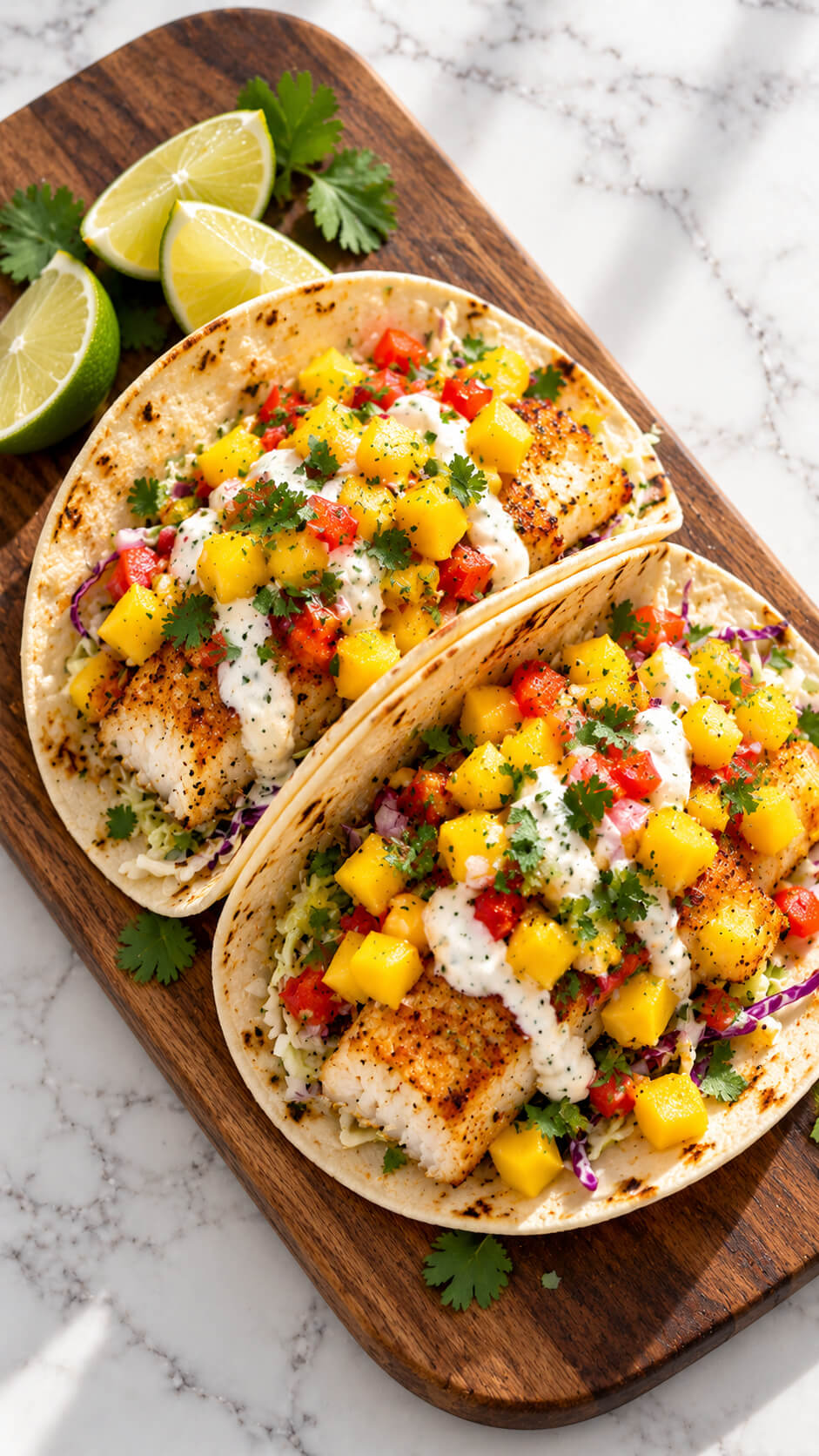
These tacos bring the party to your dinner table!
White fish, grilled or fried, tucked into a soft tortilla, and topped with tangy mango salsa.
The sweetness of mango balances the spice, while a dollop of sour cream ties it all together.
It’s a tropical escape in every bite, and they’re as fun to eat as they are to make.
Ingredients
- 2 soft flour or corn tortillas
- 2 white fish fillets, such as cod, tilapia, or haddock
- 1 tablespoon olive oil
- ½ teaspoon paprika
- ¼ teaspoon garlic powder
- ¼ teaspoon ground cumin
- ¼ teaspoon chili powder
- ¼ teaspoon salt
- ⅛ teaspoon black pepper
- ½ cup fresh mango, finely diced
- 2 tablespoons red bell pepper, finely diced
- 2 tablespoons red or white onion, finely diced
- 1 tablespoon fresh cilantro, chopped
- 1 teaspoon fresh lime juice
- ¼ cup shredded cabbage or lettuce
- 2 tablespoons creamy white sauce or sour cream
- Lime wedges, for serving
For the creamy white sauce
- 2 tablespoons mayonnaise
- 1 tablespoon sour cream or plain Greek yogurt
- 1 teaspoon fresh lime juice
- ⅛ teaspoon garlic powder
- Pinch of salt
Instructions
1. Prepare the fish seasoning
Combine the paprika, garlic powder, cumin, chili powder, salt, and black pepper in a small bowl. Pat the fish fillets dry with paper towels, then rub the seasoning mixture evenly over both sides of the fish so every piece is well coated.
2. Prepare the mango salsa
Combine the diced mango, red bell pepper, onion, and chopped cilantro in a small bowl. Add the lime juice and gently mix until everything is evenly combined. Set the salsa aside while you cook the fish.
3. Mix the creamy white sauce
Stir the mayonnaise, sour cream or Greek yogurt, lime juice, garlic powder, and salt together in a small bowl until smooth and creamy. Add a few drops of extra lime juice if you prefer a thinner, tangier sauce.
4. Cook the fish
Heat the olive oil in a nonstick skillet over medium-high heat. Add the seasoned fish and cook for about 3–4 minutes per side, depending on thickness, until the outside is golden and lightly crisp and the center is opaque and flakes easily with a fork.
5. Warm the tortillas
Heat the tortillas in a dry skillet for about 20–30 seconds on each side until they become soft and flexible. Keep them warm under a clean kitchen towel so they remain pliable when assembling the tacos.
6. Fill the tortillas
Place a small handful of shredded cabbage or lettuce in the center of each warm tortilla. Break the golden fish into large pieces and divide it evenly between the tortillas.
7. Add the mango salsa
Spoon the vibrant mango salsa generously over the fish. Make sure each taco gets plenty of sweet mango, crisp red pepper, finely chopped onion, and fresh cilantro for a colorful and flavorful topping.
8. Drizzle with the creamy sauce
Drizzle the creamy white sauce over the mango salsa and fish. The cool, tangy sauce balances the warm spices and sweetness of the mango while adding a rich, creamy finish.
9. Serve the tacos
Arrange the two tacos neatly on a wooden serving board and garnish with fresh cilantro and lime wedges. Serve immediately while the fish and tortillas are still warm, with an extra squeeze of lime just before eating.
Tip
For the most delicious tacos, avoid overcooking the fish. Remove it from the skillet as soon as it becomes opaque and flakes easily with a fork. For an especially fresh finish, prepare the mango salsa just before serving so the vegetables stay crisp and vibrant.
4. Parmesan-Crusted Tilapia
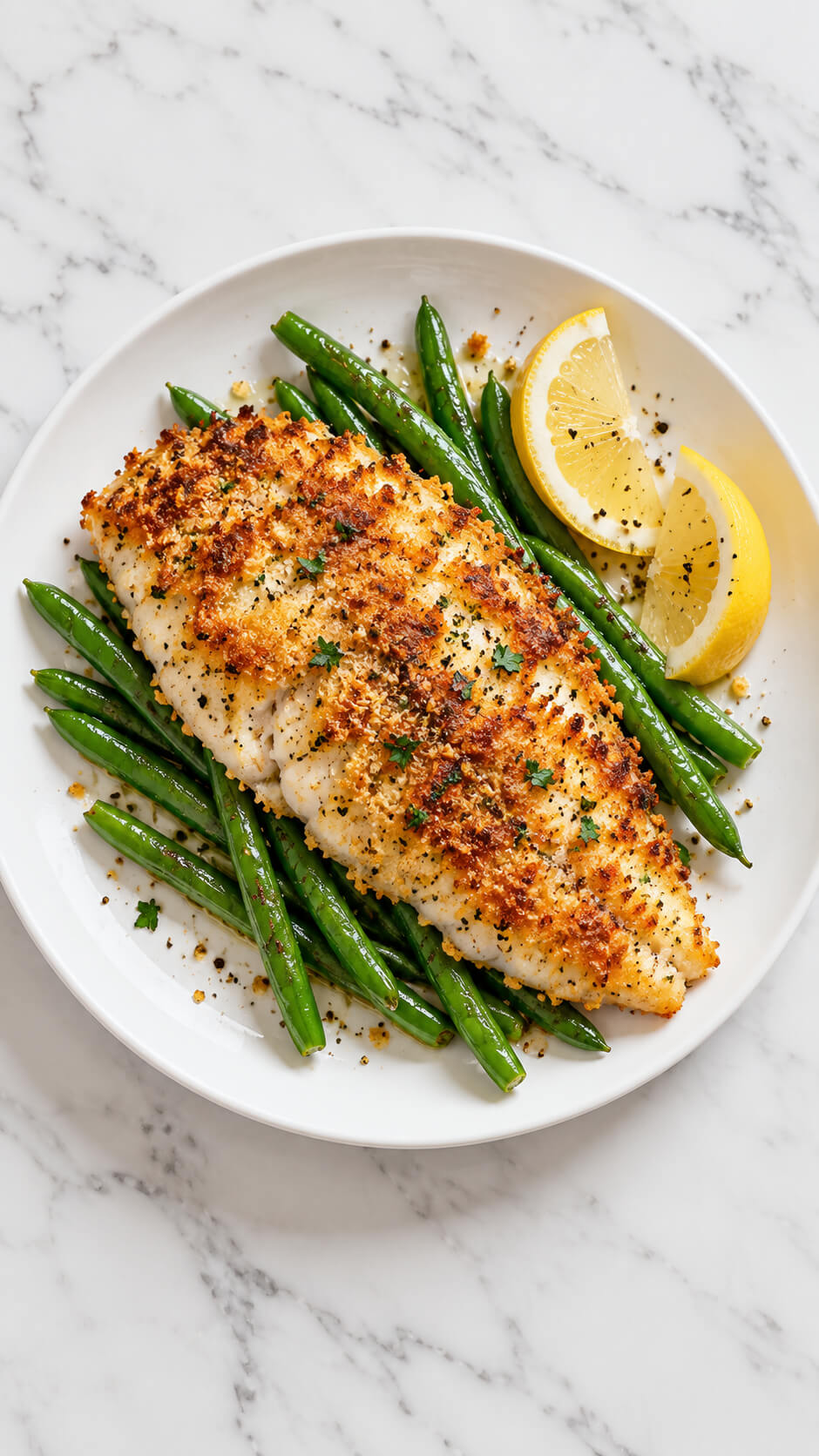
Fast, flavorful, and foolproof, Parmesan-crusted tilapia is a weeknight superstar.
A quick dredge in a Parmesan-panko mix transforms tilapia into a crispy delight.
It’s so satisfying, you’ll forget it’s healthy.
Serve it with lemon wedges and a side of green beans for a meal that feels indulgent but is totally guilt-free.
Ingredients
- 4 tilapia fillets, about 5–6 oz each
- ½ cup finely grated Parmesan cheese
- ½ cup panko breadcrumbs
- 2 tablespoons melted butter
- 1 tablespoon olive oil
- 2 cloves garlic, minced
- ½ teaspoon paprika
- ½ teaspoon dried Italian seasoning
- ¼ teaspoon salt
- ¼ teaspoon cracked black pepper
- 1 pound fresh green beans, trimmed
- 1 lemon, cut into wedges
- 1 tablespoon fresh parsley, finely chopped, optional
Instructions
1. Prepare the tilapia
Pat the tilapia fillets dry with paper towels. This helps the Parmesan crust adhere properly and allows the fish to develop a crisp, golden surface while cooking.
2. Make the Parmesan crust
Combine the Parmesan cheese, panko breadcrumbs, minced garlic, paprika, Italian seasoning, salt, and black pepper in a shallow bowl. Stir in the melted butter and olive oil until the mixture is evenly moistened and crumbly.
3. Coat the tilapia
Press the Parmesan mixture firmly over the top of each tilapia fillet, making sure the fish is covered with an even layer. Gently press the crust into the fish so it stays in place during cooking.
4. Cook the green beans
Steam the green beans for about 5–7 minutes, until they are bright green and tender-crisp. Avoid overcooking them so they retain their fresh texture and slight crunch.
5. Cook the tilapia
Preheat the oven to 425°F (220°C). Place the coated tilapia fillets on a lightly greased baking sheet and bake for 12–15 minutes, depending on the thickness of the fillets, until the crust is golden and the fish flakes easily with a fork.
6. Crisp the Parmesan crust
For an especially golden and crispy topping, switch the oven to broil for the final 1–2 minutes. Watch the fish closely because the Parmesan crust can brown quickly.
7. Arrange the green beans
Place a generous bed of steamed green beans on each plate. Arrange the hot Parmesan-crusted tilapia over the green beans so the crisp topping remains visible.
8. Add the lemon wedges
Nestle fresh lemon wedges beside each piece of tilapia. Squeeze the lemon over the fish just before eating to add a bright, fresh contrast to the rich Parmesan crust.
9. Finish and serve
Sprinkle the finished dish with a little cracked black pepper and fresh parsley, if desired. Serve immediately while the tilapia is hot, juicy, and crisp.
Tip
For the crispiest Parmesan crust, make sure the tilapia is thoroughly patted dry before coating it and avoid overcrowding the baking sheet. A quick broil at the end gives the topping an especially delicious golden finish.
5. Grilled Mahi-Mahi with Pineapple Salsa
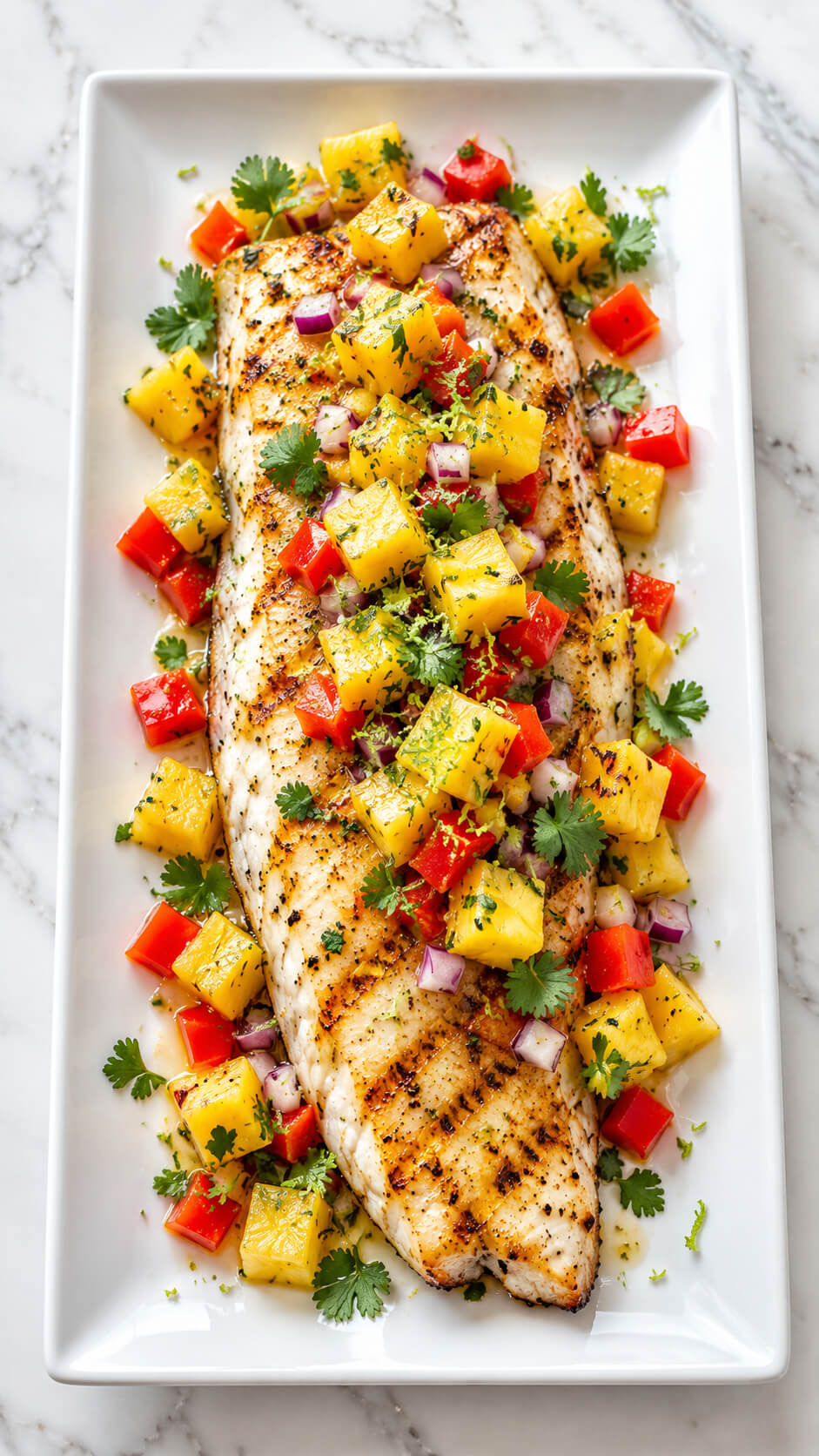
Mahi-mahi is perfect for grilling—it holds its shape and soaks up flavors like a sponge.
Add a tropical twist with pineapple salsa, and you’ve got summer on a plate.
The char from the grill pairs beautifully with the sweet and spicy salsa, making it a must-try for barbecue season or any time you need a sunny pick-me-up.
Ingredients
- 4 white fish fillets, such as tilapia, cod, haddock, or snapper
- 2 tablespoons olive oil
- 1 teaspoon garlic powder
- 1 teaspoon smoked paprika
- ½ teaspoon ground cumin
- ½ teaspoon salt
- ¼ teaspoon black pepper
- 1 tablespoon fresh lime juice
- 1 teaspoon lime zest
For the pineapple salsa
- 2 cups fresh pineapple, cut into small cubes
- 1 red bell pepper, finely diced
- ½ small red onion, finely diced
- ½ cup fresh cilantro leaves, chopped
- 1 tablespoon fresh lime juice
- ½ teaspoon lime zest
- ¼ teaspoon salt
- ⅛ teaspoon black pepper
Instructions
1. Season the fish
Pat the fish fillets dry with paper towels. Brush both sides with olive oil, then season evenly with garlic powder, smoked paprika, cumin, salt, black pepper, lime juice, and lime zest. Let the fish sit for 10–15 minutes so the flavors can absorb.
2. Prepare the pineapple salsa
Combine the pineapple cubes, diced red bell pepper, red onion, and chopped cilantro in a bowl. Add the lime juice, lime zest, salt, and black pepper, then gently toss everything together. Refrigerate the salsa while you cook the fish.
3. Heat the grill
Preheat a grill or grill pan over medium-high heat. Lightly oil the cooking surface to prevent the delicate fish from sticking and to help create attractive golden grill marks.
4. Grill the fish
Place the seasoned fillets on the hot grill and cook for about 3–5 minutes per side, depending on their thickness. Turn them carefully once the underside has developed distinct grill marks. The fish is ready when it flakes easily with a fork and reaches an internal temperature of 145°F (63°C).
5. Let the fish rest
Transfer the grilled fish to a clean plate and let it rest for 2–3 minutes. This allows the juices to settle while keeping the fillet moist and tender.
6. Add the pineapple salsa
Spoon a generous amount of the fresh pineapple salsa over each grilled fish fillet. Make sure each serving has a colorful mixture of pineapple, red pepper, red onion, and cilantro for a balance of sweetness, crunch, and freshness.
7. Garnish and serve
Arrange the fish on a white platter and finish with a little fresh lime zest and a scattering of cilantro leaves. Serve immediately while the fish is warm and the salsa is cool and vibrant.
Tip
For the best flavor, use fresh pineapple rather than canned pineapple. If you want a little extra heat, add ½ finely chopped jalapeño to the salsa. Avoid overcooking the fish—the moment it flakes easily and looks opaque in the center, take it off the grill.
6. White Fish Chowder
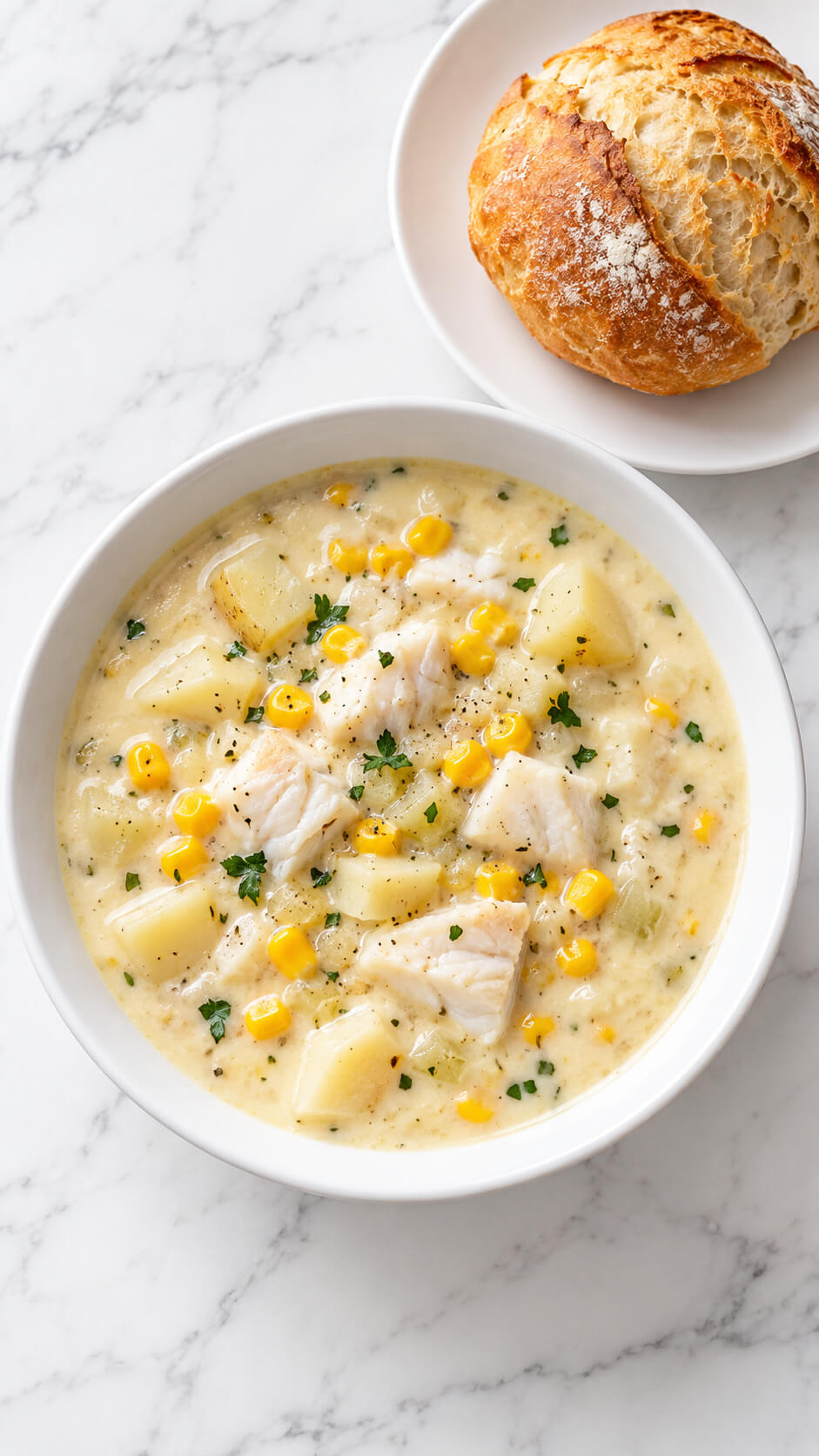
Creamy, hearty, and comforting, white fish chowder is a bowl of love on a cold day.
Chunks of fish swim in a rich, velvety broth alongside potatoes, onions, and corn.
Add some crusty bread for dipping, and it’s pure bliss.
This one’s perfect for those times when you need a meal that hugs you back.
Ingredients
- 1½ lbs (680 g) firm white fish fillets, such as cod, haddock, or tilapia
- 3 tablespoons butter
- 1 medium yellow onion, finely diced
- 2 celery stalks, finely diced
- 2 cloves garlic, minced
- 4 cups (950 ml) chicken or vegetable broth
- 3 medium potatoes, peeled and cut into ½-inch cubes
- 1½ cups sweet corn, fresh or frozen
- 1 cup (240 ml) heavy cream
- 1 cup (240 ml) whole milk
- 1 teaspoon dried thyme
- ½ teaspoon black pepper
- ½ teaspoon salt, or to taste
- 2 tablespoons all-purpose flour
- 2 tablespoons fresh parsley, chopped
- 1 tablespoon lemon juice
Instructions
1. Prepare the fish
Pat the fish fillets dry with paper towels and cut them into bite-sized chunks. Season lightly with salt and black pepper, then set them aside while you prepare the chowder base.
2. Cook the vegetables
Melt the butter in a large heavy-bottomed pot over medium heat. Add the diced onion and celery and cook for 4–5 minutes, stirring occasionally, until softened. Add the garlic and cook for another 30 seconds until fragrant.
3. Thicken the chowder base
Sprinkle the flour over the softened vegetables and stir continuously for about 1 minute. Slowly pour in the broth while whisking or stirring to prevent lumps from forming. Continue stirring until the mixture is smooth.
4. Cook the potatoes
Add the diced potatoes, dried thyme, salt, and black pepper to the pot. Bring the chowder to a gentle simmer and cook for 10–12 minutes, or until the potatoes are almost tender.
5. Add the sweet corn
Stir the sweet corn into the simmering chowder and cook for another 3–4 minutes. The corn should become tender while retaining some of its natural sweetness and texture.
6. Add the cream and milk
Pour in the heavy cream and whole milk and stir gently to combine. Reduce the heat to low and allow the chowder to warm through without bringing it to a hard boil, which can cause the dairy to separate.
7. Cook the fish
Gently add the chunks of white fish to the chowder. Simmer for 5–7 minutes, stirring carefully once or twice, until the fish is opaque, tender, and flakes easily with a fork.
8. Finish the chowder
Stir in the lemon juice and chopped parsley. Taste the chowder and adjust the salt and black pepper as needed. The lemon adds a subtle brightness that balances the creamy broth.
9. Serve the chowder
Ladle the hot chowder into white soup bowls and garnish with a little extra parsley and freshly cracked black pepper. Serve immediately with warm crusty bread on the side for dipping into the creamy broth.
Tip
For the creamiest chowder, avoid boiling it after adding the milk and cream. You can also mash a few of the cooked potato pieces against the side of the pot before adding the fish to naturally thicken the broth without making it heavy.
7. Lemon Garlic Haddock
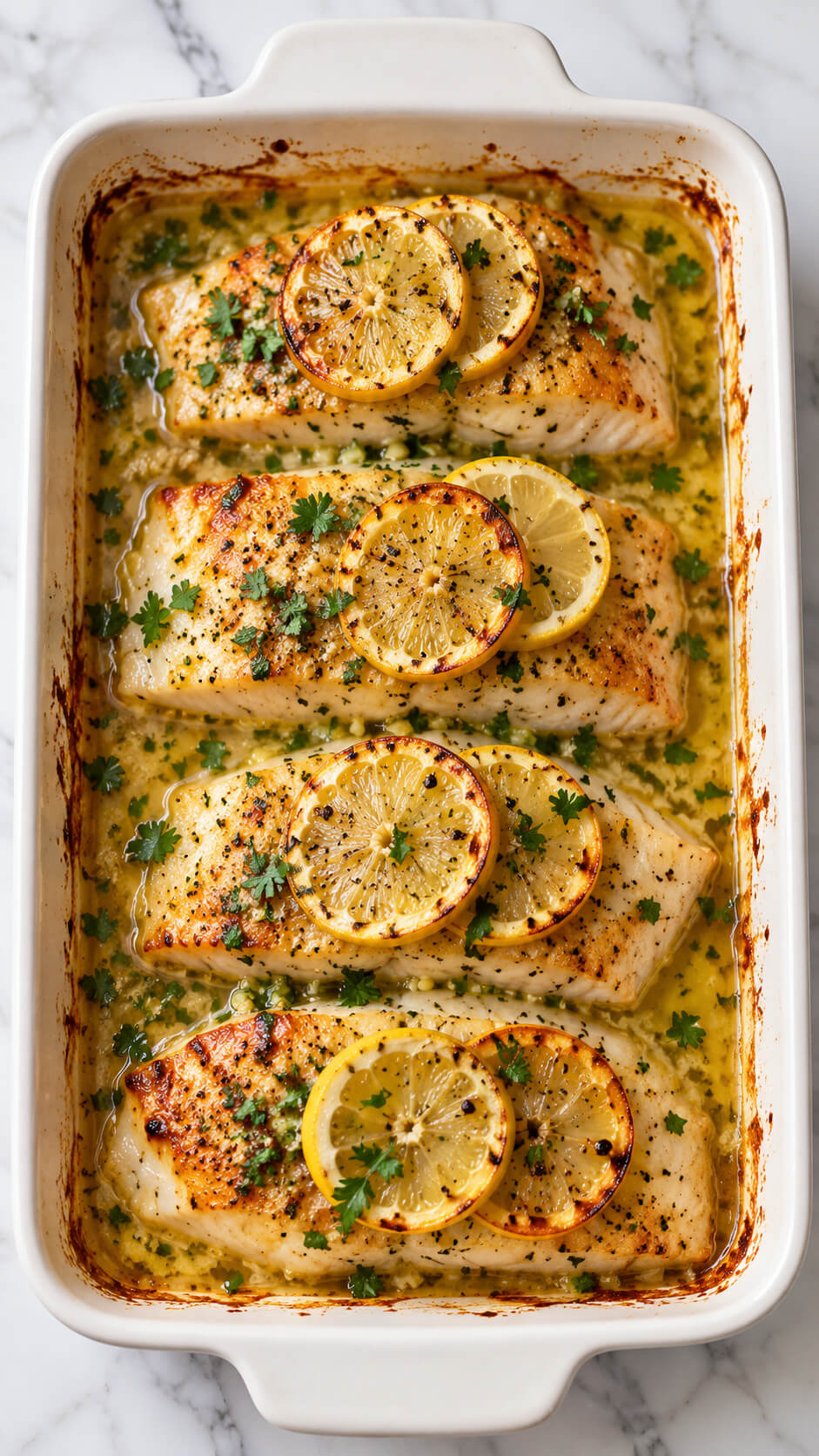
Lemon and garlic are the dynamic duo of flavor, and haddock plays the perfect host.
Oven-baked and seasoned to perfection, this dish is light yet satisfying.
The garlic gives it depth, while the lemon keeps it fresh.
Pair it with steamed veggies or rice pilaf for a no-fuss dinner that tastes like a treat.
Ingredients
- 4 white fish fillets, such as cod, haddock, or tilapia
- 2 large lemons, thinly sliced
- 4 tablespoons unsalted butter, melted
- 2 tablespoons olive oil
- 4 cloves garlic, finely minced
- 2 tablespoons fresh parsley, finely chopped
- 1 teaspoon coarse ground black pepper
- 1 teaspoon salt
- ½ teaspoon paprika
- ½ teaspoon dried oregano
- ¼ teaspoon red pepper flakes, optional
- 2 tablespoons fresh lemon juice
Instructions
1. Preheat the oven
Preheat the oven to 400°F (200°C). Lightly grease a rectangular baking dish with a little olive oil or butter to prevent the fish from sticking.
2. Prepare the lemon butter sauce
Combine the melted butter, olive oil, minced garlic, fresh lemon juice, paprika, oregano, salt, black pepper, and red pepper flakes in a small bowl. Whisk until everything is evenly combined and the garlic is distributed throughout the sauce.
3. Arrange the fish
Pat the fish fillets dry with paper towels, then place them in the prepared baking dish in a single layer. Pour the lemon butter sauce evenly over the fillets, making sure each piece is well coated.
4. Add the lemon slices
Arrange the lemon slices over the top of each fish fillet, slightly overlapping them. The lemon slices will soften and caramelize as they bake, adding both flavor and a beautiful golden finish.
5. Bake the fish
Bake the fish uncovered for 15–20 minutes, depending on the thickness of the fillets. The fish is ready when it flakes easily with a fork and reaches an internal temperature of 145°F (63°C).
6. Brown the lemon slices
Switch the oven to broil for 1–2 minutes at the end of cooking if you want more caramelized lemon slices and a deeper golden-brown surface. Watch closely because the lemon and fish can brown quickly.
7. Garnish the fish
Remove the baking dish from the oven and sprinkle the fish generously with freshly chopped parsley and a little extra coarse ground black pepper. Spoon some of the buttery lemon sauce from the bottom of the dish over the fillets before serving.
8. Serve the fish
Serve the baked fish immediately while it is hot and juicy. Spoon the lemon butter sauce over each fillet and serve with your favorite vegetables, rice, potatoes, or crusty bread for soaking up the sauce.
Tip
For the most flavorful result, use fresh lemon juice and plenty of freshly chopped parsley. If your fish fillets are particularly thick, add a few extra minutes of baking time, but avoid overcooking so the fish stays moist and tender.
8. Fish Piccata
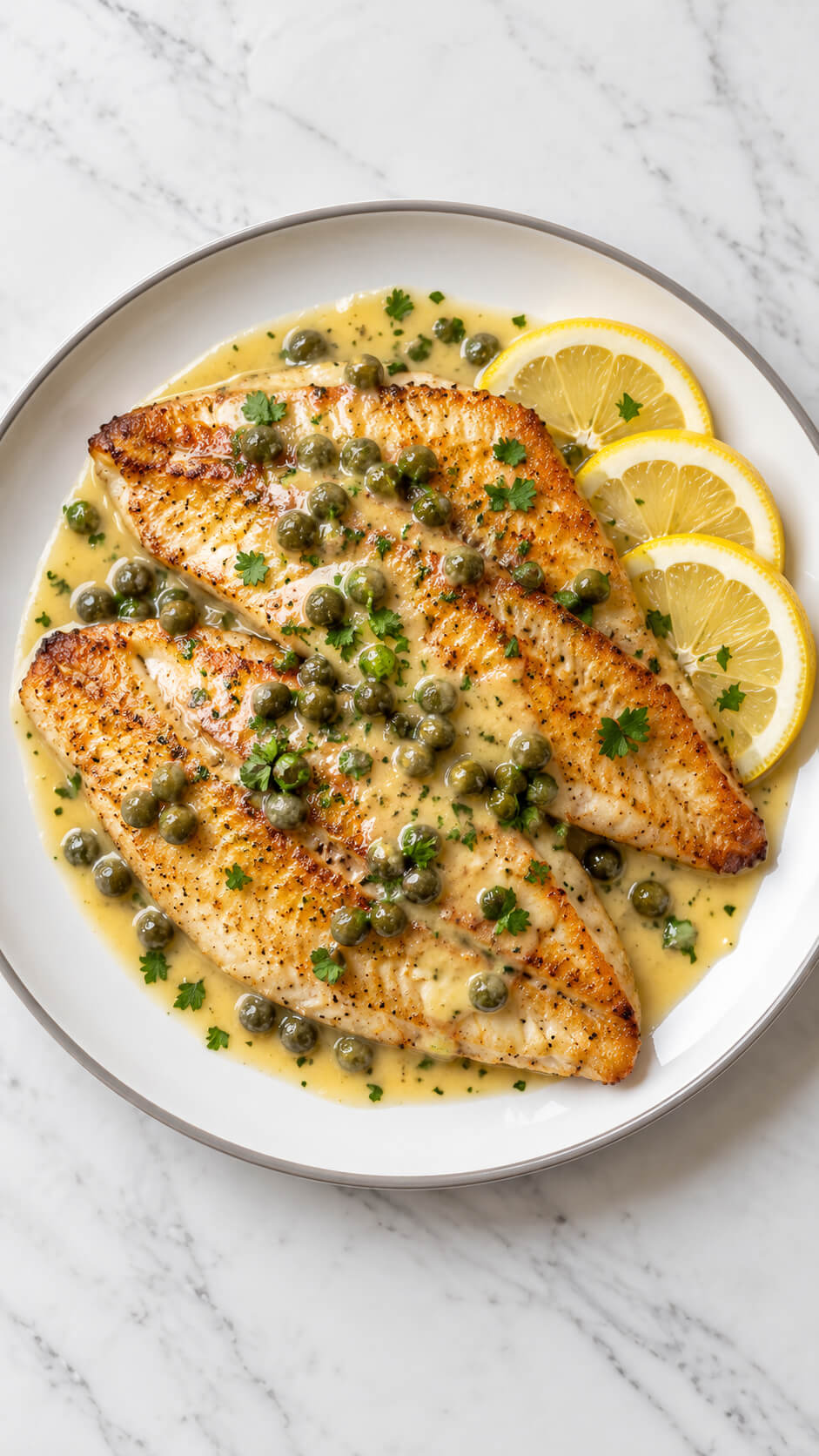
Piccata isn’t just for chicken—white fish like sole or cod wears the tangy lemon-caper sauce just as well.
Lightly pan-fried fish fillets meet a sauce that’s bright, zesty, and utterly irresistible.
This dish is elegant enough for dinner parties but easy enough to whip up on a Tuesday night.
Ingredients
- 4 white fish fillets, such as cod, tilapia, haddock, or sole
- ½ cup all-purpose flour
- 1 teaspoon salt
- ½ teaspoon black pepper
- ½ teaspoon garlic powder
- 2 tablespoons olive oil
- 2 tablespoons unsalted butter
- 3 cloves garlic, finely minced
- 1 cup chicken or vegetable broth
- ½ cup heavy cream
- 3 tablespoons fresh lemon juice
- 2 tablespoons capers, drained
- 2 tablespoons fresh parsley, finely chopped
- 1 lemon, thinly sliced
- Salt and black pepper, to taste
Instructions
1. Prepare the fish
Pat the fish fillets thoroughly dry with paper towels. In a shallow dish, combine the flour, salt, black pepper, and garlic powder, then lightly coat each fillet on both sides. Shake off any excess flour so the fish develops a thin, crisp coating rather than becoming heavily breaded.
2. Heat the skillet
Heat the olive oil and 1 tablespoon of butter in a large skillet over medium-high heat. The pan should be hot enough that the butter is bubbling gently but not smoking before the fish is added.
3. Sear the fish
Place the coated fish fillets in the hot skillet without overcrowding the pan. Cook for about 3–5 minutes per side, depending on their thickness, until the exterior is deeply golden brown and the fish flakes easily with a fork. Transfer the cooked fillets to a plate and keep them warm.
4. Sauté the garlic
Reduce the heat to medium and add the remaining tablespoon of butter to the same skillet. Add the minced garlic and cook for about 30 seconds, stirring constantly, until fragrant. Avoid browning the garlic because it can become bitter.
5. Make the piccata sauce
Pour the chicken or vegetable broth into the skillet and scrape the browned bits from the bottom of the pan. Stir in the heavy cream and fresh lemon juice, then simmer for 2–3 minutes until the sauce becomes smooth and slightly thickened.
6. Add the capers and parsley
Stir the drained capers and half of the chopped fresh parsley into the sauce. Allow them to simmer gently for another minute so their briny, tangy flavor blends into the creamy lemon sauce.
7. Return the fish to the skillet
Place the seared fish fillets back into the skillet and spoon the warm piccata sauce generously over the top. Simmer gently for 1–2 minutes, just long enough to warm the fish through without overcooking it.
8. Add the lemon slices
Arrange the lemon slices around and over the fish. The fresh lemon adds a bright citrus aroma while also making the finished dish look vibrant and inviting.
9. Garnish the fish
Scatter the remaining chopped parsley over the fish and sauce. The fresh green parsley provides a bright contrast to the golden sauce and adds a clean, herbaceous flavor.
10. Serve the fish
Serve the pan-seared fish immediately while the fillets are hot and the sauce is glossy. Spoon extra piccata sauce and capers over each portion, and serve with rice, pasta, mashed potatoes, or crusty bread.
Tip
For the crispiest fish, make sure the fillets are completely dry before coating them with flour, and avoid moving them around while they sear. Letting the fish cook undisturbed for several minutes helps develop a beautifully golden, crisp crust.
9. Coconut Crusted Haddock
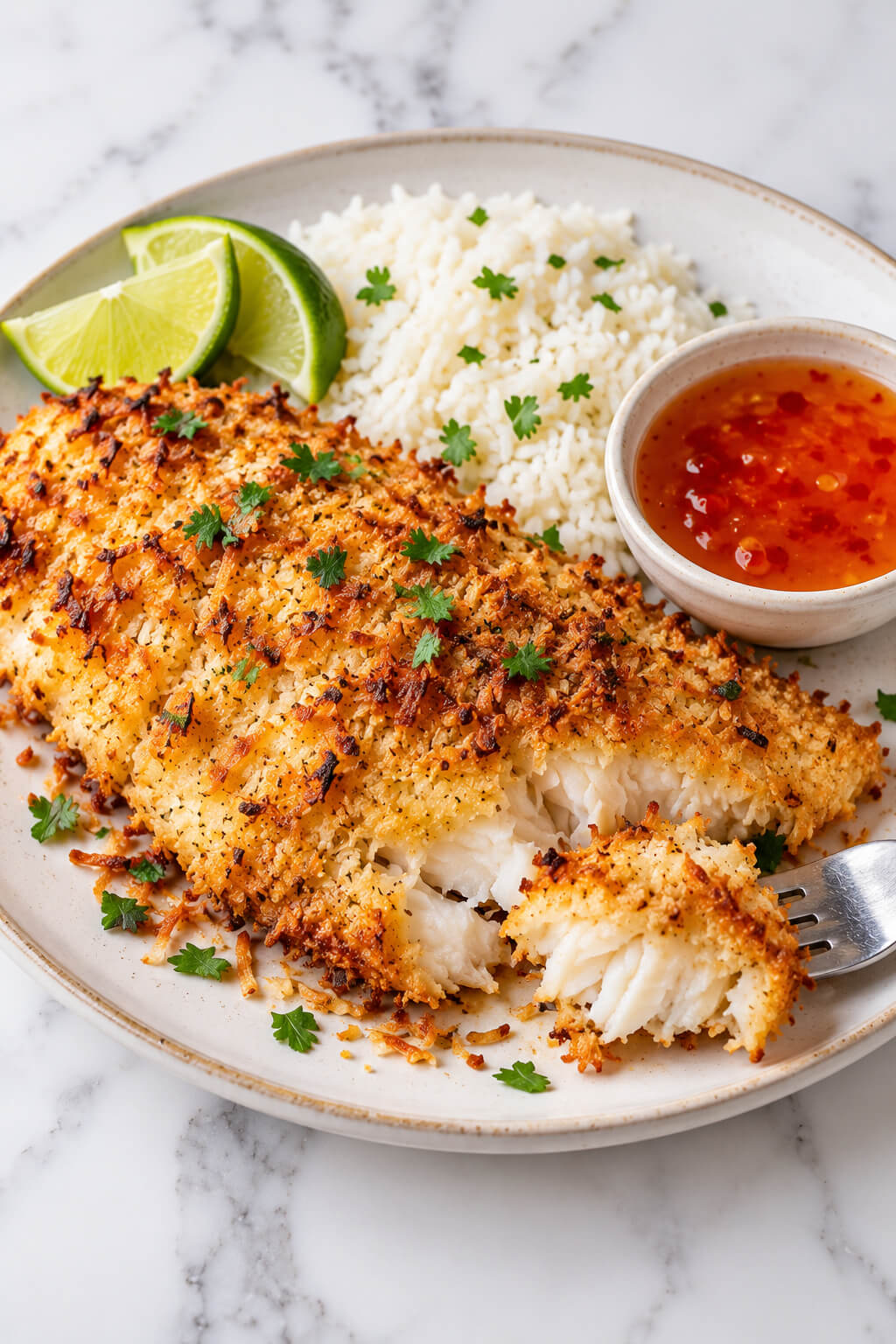
Take your taste buds on a tropical vacation with coconut-crusted haddock.
The crispy, golden exterior has a subtle sweetness that complements the mild fish beautifully.
Serve it with jasmine rice and a drizzle of sweet chili sauce, and you’ve got a meal that feels like sunshine on a plate.
Ingredients
- 4 haddock fillets, about 6 ounces (170 g) each
- 1 cup unsweetened shredded coconut
- ½ cup panko breadcrumbs
- 2 tablespoons all-purpose flour
- 1 large egg
- 2 tablespoons milk
- 1 tablespoon fresh lime juice
- 1 teaspoon lime zest
- ½ teaspoon garlic powder
- ½ teaspoon paprika
- ½ teaspoon salt
- ¼ teaspoon black pepper
- 2 tablespoons olive oil
- Fresh parsley or cilantro, chopped, for garnish
- Lime wedges, for serving
For the sweet chili sauce
- ½ cup sweet chili sauce
- 1 tablespoon fresh lime juice
- 1 teaspoon soy sauce
Instructions
1. Preheat the oven
Preheat the oven to 425°F (220°C). Line a baking sheet with parchment paper and lightly brush it with olive oil to help the coconut crust brown evenly.
2. Prepare the coconut coating
Combine the shredded coconut, panko breadcrumbs, garlic powder, paprika, salt, and black pepper in a shallow bowl. Mix thoroughly so the seasonings are evenly distributed throughout the coconut mixture.
3. Prepare the egg mixture
Whisk the egg, milk, lime juice, and lime zest together in a separate shallow bowl. The lime adds a bright citrus flavor that balances the natural sweetness of the coconut.
4. Coat the haddock
Pat the haddock fillets dry with paper towels. Dip each fillet into the egg mixture, allowing the excess to drip off, then press it firmly into the coconut mixture until the fish is completely covered.
5. Arrange the coated fish
Place the coconut-coated haddock fillets on the prepared baking sheet, leaving a little space between each piece. Lightly drizzle or spray the tops with olive oil to encourage the coconut crust to become golden and crisp.
6. Bake the haddock
Bake for 15–18 minutes, depending on the thickness of the fillets. The coconut should be deeply golden and crisp, while the haddock should be opaque and flake easily with a fork.
7. Prepare the sweet chili sauce
While the fish is baking, stir together the sweet chili sauce, lime juice, and soy sauce in a small bowl. The combination creates a glossy, sweet-and-tangy sauce that pairs beautifully with the crispy coconut coating.
8. Prepare the jasmine rice
Cook the jasmine rice according to the package directions until fluffy and tender. Once cooked, fluff it gently with a fork and keep it warm until the haddock is ready.
9. Serve the haddock
Place a portion of jasmine rice on each plate and arrange the coconut-crusted haddock alongside it. Drizzle the sweet chili sauce over the fish or serve it in a small bowl for dipping. Garnish with fresh parsley or cilantro and lime wedges.
Tip
For an extra-crispy crust, toast the shredded coconut and panko in a dry skillet for 2–3 minutes before coating the fish. Let the mixture cool slightly before using it so the crust stays crisp without over-browning.
10. Mediterranean Baked Sea Bass
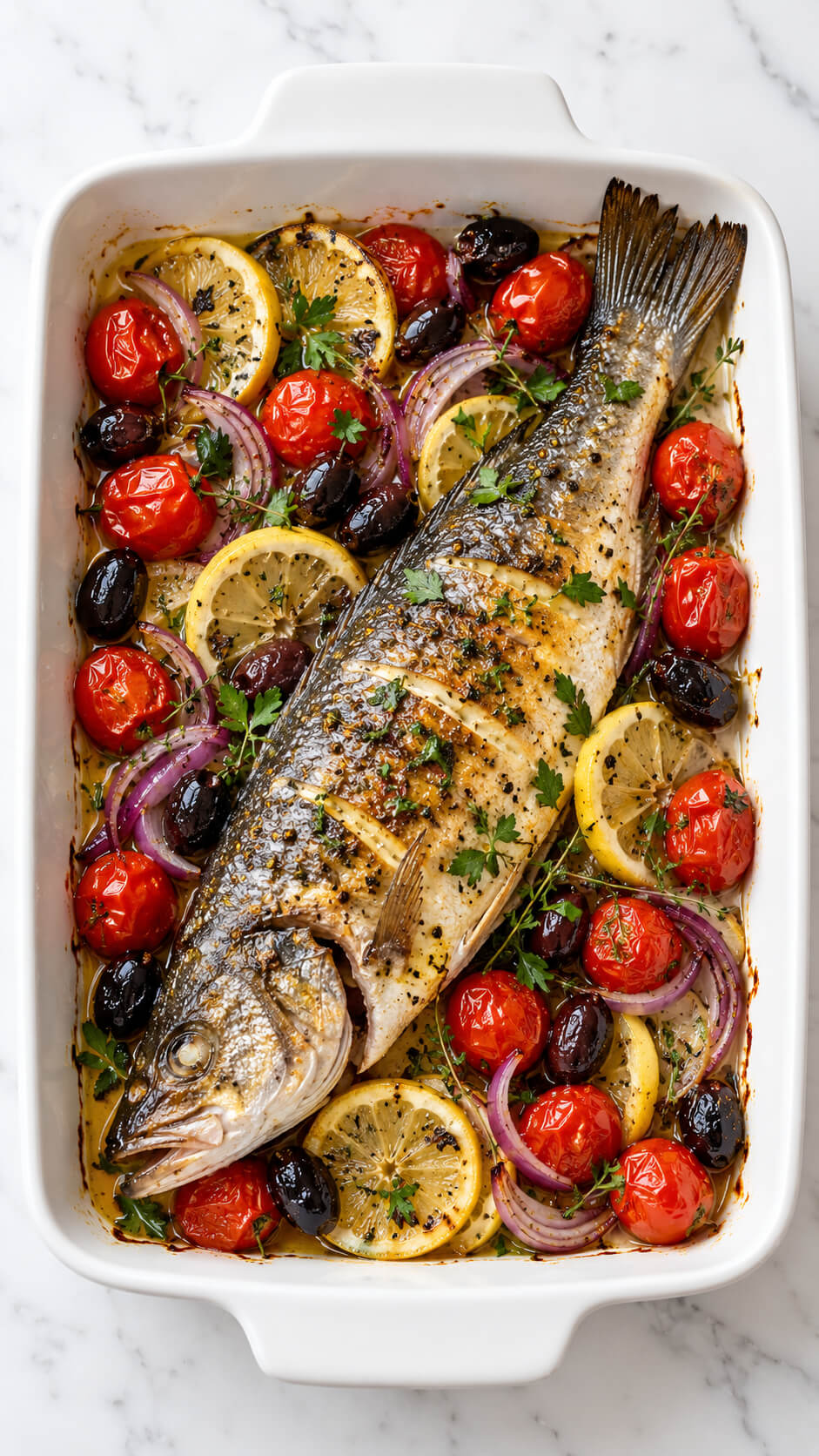
Channel your inner Mediterranean chef with this sea bass recipe.
Tomatoes, olives, garlic, lemon, and a splash of white wine bake together with the fish, creating a symphony of flavors.
It’s light, aromatic, and perfect for impressing dinner guests—or just treating yourself to something special.
Ingredients
- 1 whole sea bass, about 1½–2 lb (700–900 g), cleaned and scaled
- 2 tablespoons extra-virgin olive oil
- 1 lemon, thinly sliced
- 1 cup cherry tomatoes
- ½ cup Kalamata or black olives, pitted
- ½ red onion, thinly sliced
- 3 garlic cloves, thinly sliced
- 1 teaspoon dried oregano
- ½ teaspoon sea salt
- ¼ teaspoon freshly ground black pepper
- 2 tablespoons fresh parsley, roughly chopped
- 2–3 sprigs fresh thyme
- 1 tablespoon fresh lemon juice
Instructions
1. Preheat the oven
Preheat the oven to 400°F (200°C). Allow it to fully heat while you prepare the fish and vegetables so the sea bass begins cooking immediately and develops a beautifully roasted exterior.
2. Prepare the sea bass
Pat the whole sea bass dry with paper towels, then make 3–4 shallow diagonal cuts on each side of the fish. Rub the outside and inside with olive oil, sea salt, black pepper, and dried oregano. Tuck a few lemon slices, garlic, and thyme into the cavity.
3. Arrange the vegetables
Spread the cherry tomatoes, black olives, sliced red onion, garlic, and several lemon slices across the bottom of a white ceramic baking dish. Drizzle the vegetables with a little olive oil and season lightly with salt and pepper.
4. Place the fish in the dish
Lay the seasoned sea bass over the vegetables and lemon slices. Drizzle the fish with the remaining olive oil and add a few more lemon slices and fresh thyme over the top. The vegetables will release their juices as they roast, creating a flavorful Mediterranean-style cooking liquid.
5. Bake the sea bass
Place the baking dish in the preheated oven and bake for approximately 25–30 minutes, depending on the size of the fish. The skin should become golden and lightly crisp, while the flesh should be opaque and easily separate from the bone.
6. Finish with fresh herbs
Remove the sea bass from the oven and drizzle it with fresh lemon juice. Scatter the chopped parsley and a few fresh thyme leaves over the fish and roasted vegetables for a bright, aromatic finish.
7. Serve the sea bass
Serve the whole sea bass directly from the baking dish while it is hot. Spoon the roasted tomatoes, olives, onions, and pan juices around the fish, making sure each portion gets plenty of the flavorful Mediterranean vegetables.
Tip
For especially moist and flavorful fish, let the seasoned sea bass rest at room temperature for about 15 minutes before baking. Avoid overcooking it—the flesh is ready when it flakes easily with a fork and reaches about 145°F (63°C) at the thickest part.
11. Panko-Crusted Sole with Dijon Cream Sauce
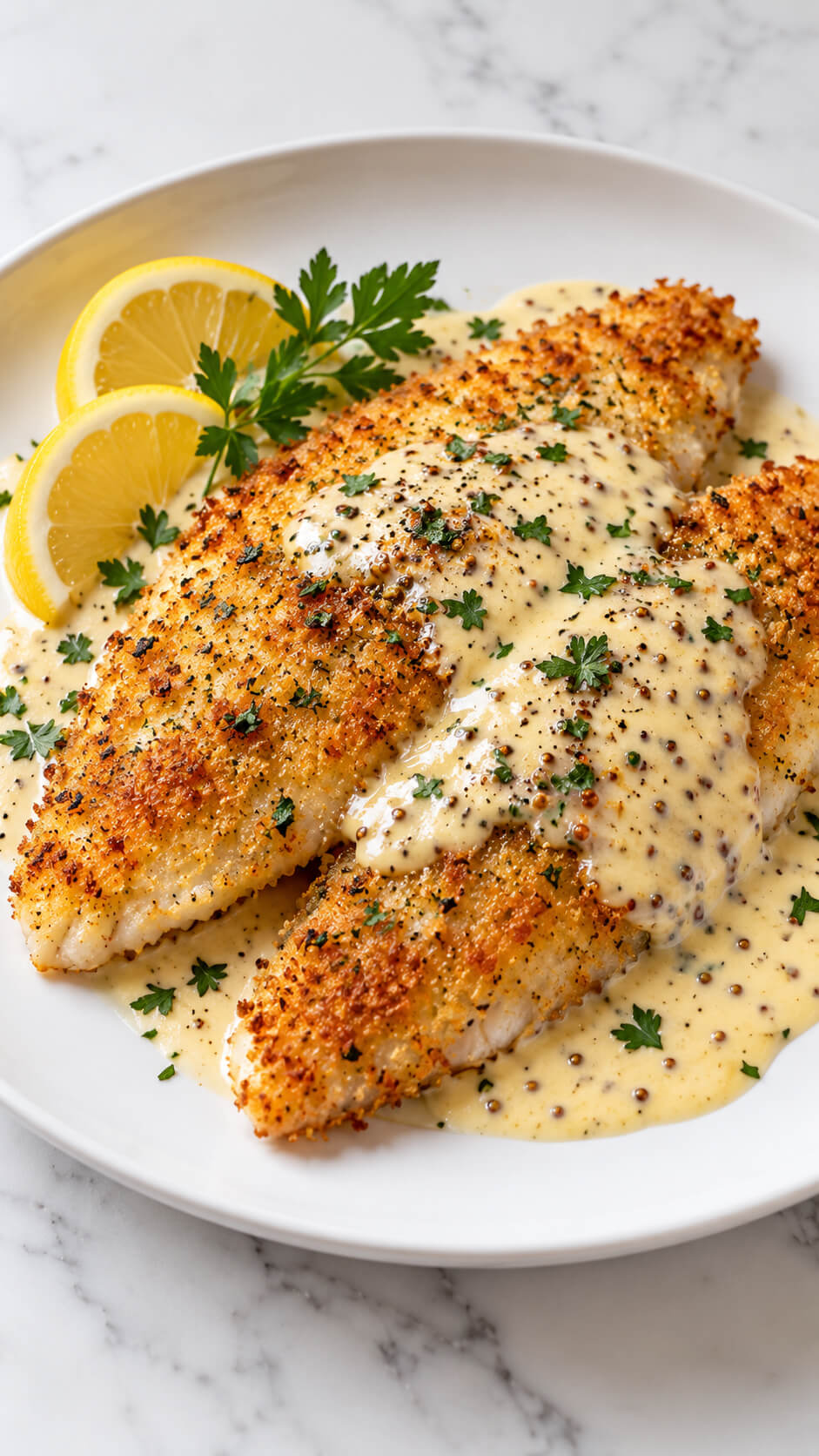
Sole is delicate, but when it’s coated in crispy panko and paired with a rich Dijon cream sauce, it becomes the star of the table.
The contrast of textures—crispy exterior, silky sauce—is a delight in every bite.
This dish feels indulgent yet refined, perfect for when you’re feeling a little fancy.
Ingredients
- 4 sole fillets, about 5–6 oz (140–170 g) each
- 1 cup panko breadcrumbs
- ½ cup all-purpose flour
- 2 large eggs
- ½ teaspoon garlic powder
- ½ teaspoon paprika
- ½ teaspoon salt
- ¼ teaspoon black pepper
- 2 tablespoons olive oil
- 1 tablespoon butter
- 1 tablespoon chopped fresh parsley
- Lemon wedges, for serving
For the Dijon cream sauce
- 1 tablespoon butter
- 2 garlic cloves, finely minced
- ½ cup heavy cream
- 2 tablespoons Dijon mustard
- 1 teaspoon whole-grain mustard
- 1 tablespoon fresh lemon juice
- ¼ teaspoon salt
- ¼ teaspoon black pepper
- 1 tablespoon chopped fresh parsley
Instructions
1. Prepare the panko coating
Combine the panko breadcrumbs, garlic powder, paprika, salt, and black pepper in a shallow bowl. Place the flour in a second bowl and whisk the eggs in a third bowl. This three-part coating creates a crisp, golden crust that adheres well to the delicate sole.
2. Coat the sole fillets
Pat the sole fillets dry with paper towels. Dip each fillet lightly into the flour, shaking off the excess, then coat it in the beaten egg before pressing it gently into the seasoned panko. Make sure both sides are evenly covered.
3. Crisp the fish
Heat the olive oil and butter in a large nonstick skillet over medium heat. Once the butter is melted and the pan is hot, carefully add the coated sole fillets. Cook for about 3–4 minutes per side, turning gently once, until the crust is deeply golden and the fish is opaque and flakes easily.
4. Make the Dijon cream sauce
Melt the butter in a small saucepan over medium-low heat. Add the minced garlic and cook for about 30 seconds until fragrant. Pour in the heavy cream, then whisk in the Dijon mustard and whole-grain mustard until smooth.
5. Finish the sauce
Simmer the Dijon cream sauce gently for 2–3 minutes, stirring frequently, until it thickens slightly. Stir in the lemon juice, salt, black pepper, and fresh parsley. Keep the heat low so the cream remains smooth and silky.
6. Plate the crispy sole
Transfer the golden sole fillets to serving plates and spoon the warm Dijon cream sauce around and partially over the fish. Garnish with fresh parsley and serve with lemon wedges for a bright finish.
7. Serve immediately
Serve the panko-crusted sole while the coating is still crisp and the sauce is warm and creamy. Pair it with roasted vegetables, steamed green beans, potatoes, or a simple green salad for a complete meal.
Tip
For the crispiest crust, make sure the sole is thoroughly dried before coating it and avoid overcrowding the skillet. If necessary, cook the fillets in batches so the panko has enough space to become evenly golden and crunchy.
12. Blackened Tilapia
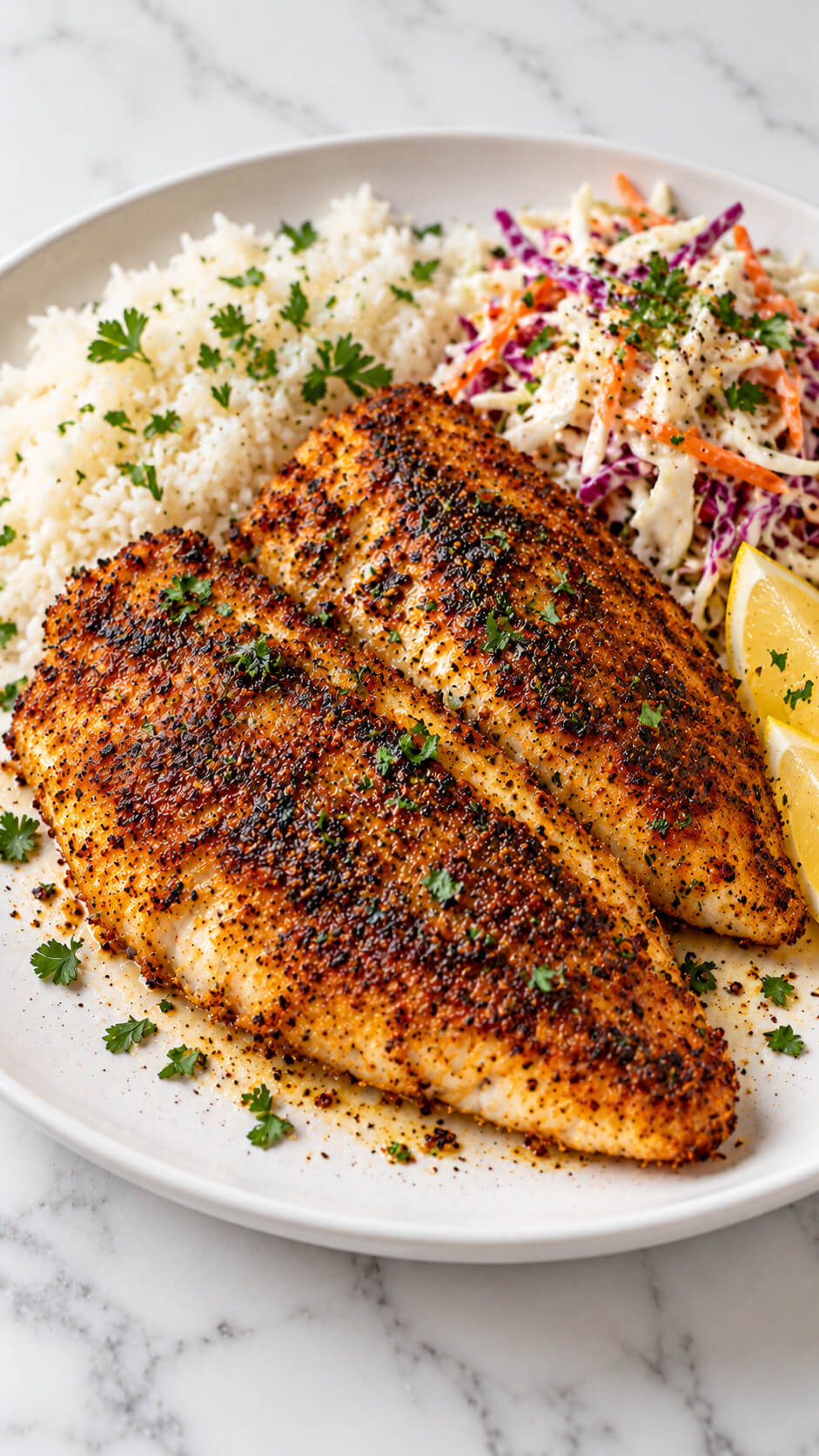
Bring the heat with blackened tilapia!
Coated in a smoky, spicy blend of seasonings and cooked in a hot skillet, this dish is bold, flavorful, and anything but boring.
Serve it with a side of coleslaw or rice to cool things down, and enjoy a dinner that packs a punch.
Ingredients
- 4 tilapia fillets, about 5–6 oz (140–170 g) each
- 2 tablespoons olive oil or melted butter
- 1 tablespoon paprika
- 1 teaspoon smoked paprika
- 1 teaspoon garlic powder
- 1 teaspoon onion powder
- ½ teaspoon dried oregano
- ½ teaspoon dried thyme
- ½ teaspoon cayenne pepper, or more to taste
- ½ teaspoon salt
- ¼ teaspoon black pepper
- 1 tablespoon fresh lemon juice
- 2 tablespoons chopped fresh parsley
- Lemon wedges, for serving
For the coleslaw
- 2 cups shredded green cabbage
- 1 cup shredded red cabbage
- 1 medium carrot, grated
- ⅓ cup mayonnaise
- 1 tablespoon fresh lemon juice
- 1 teaspoon honey
- ¼ teaspoon salt
- ¼ teaspoon black pepper
Instructions
1. Prepare the blackening seasoning
Combine the paprika, smoked paprika, garlic powder, onion powder, oregano, thyme, cayenne pepper, salt, and black pepper in a small bowl. Mix thoroughly so the spices are evenly distributed and every piece of fish gets a balanced smoky, spicy flavor.
2. Season the tilapia
Pat the tilapia fillets completely dry with paper towels. Brush both sides lightly with olive oil or melted butter, then generously press the seasoning mixture onto each fillet. Let the seasoned fish rest for about 5 minutes so the spices adhere to the surface.
3. Prepare the coleslaw
Combine the green cabbage, red cabbage, and grated carrot in a bowl. In a separate small bowl, whisk together the mayonnaise, lemon juice, honey, salt, and black pepper until smooth. Pour the dressing over the vegetables and toss until everything is evenly coated.
4. Heat the skillet
Place a large heavy skillet over medium-high heat and allow it to become very hot. Add a small amount of oil if needed. A properly heated skillet is important because the intense heat quickly creates the characteristic dark, flavorful crust without requiring a long cooking time.
5. Blacken the tilapia
Carefully place the seasoned tilapia fillets in the hot skillet. Cook for about 3–4 minutes on the first side without moving them, allowing the spices to develop a dark, toasted crust. Flip the fillets gently and cook for another 2–3 minutes, or until the fish is opaque and flakes easily.
6. Finish with lemon
Remove the tilapia from the skillet and immediately drizzle the fillets with fresh lemon juice. The acidity brightens the smoky seasoning and balances the heat of the blackened crust.
7. Serve the tilapia
Arrange the blackened tilapia on plates with a generous serving of cool, crunchy coleslaw. Garnish with fresh parsley and lemon wedges, and serve immediately while the fish is hot and the crust is crisp.
Tip
For a deeper blackened crust, use a cast-iron skillet and make sure it is thoroughly hot before adding the fish. Keep the kitchen well ventilated because the spices can produce some smoke when they hit the hot pan.
13. White Fish en Papillote
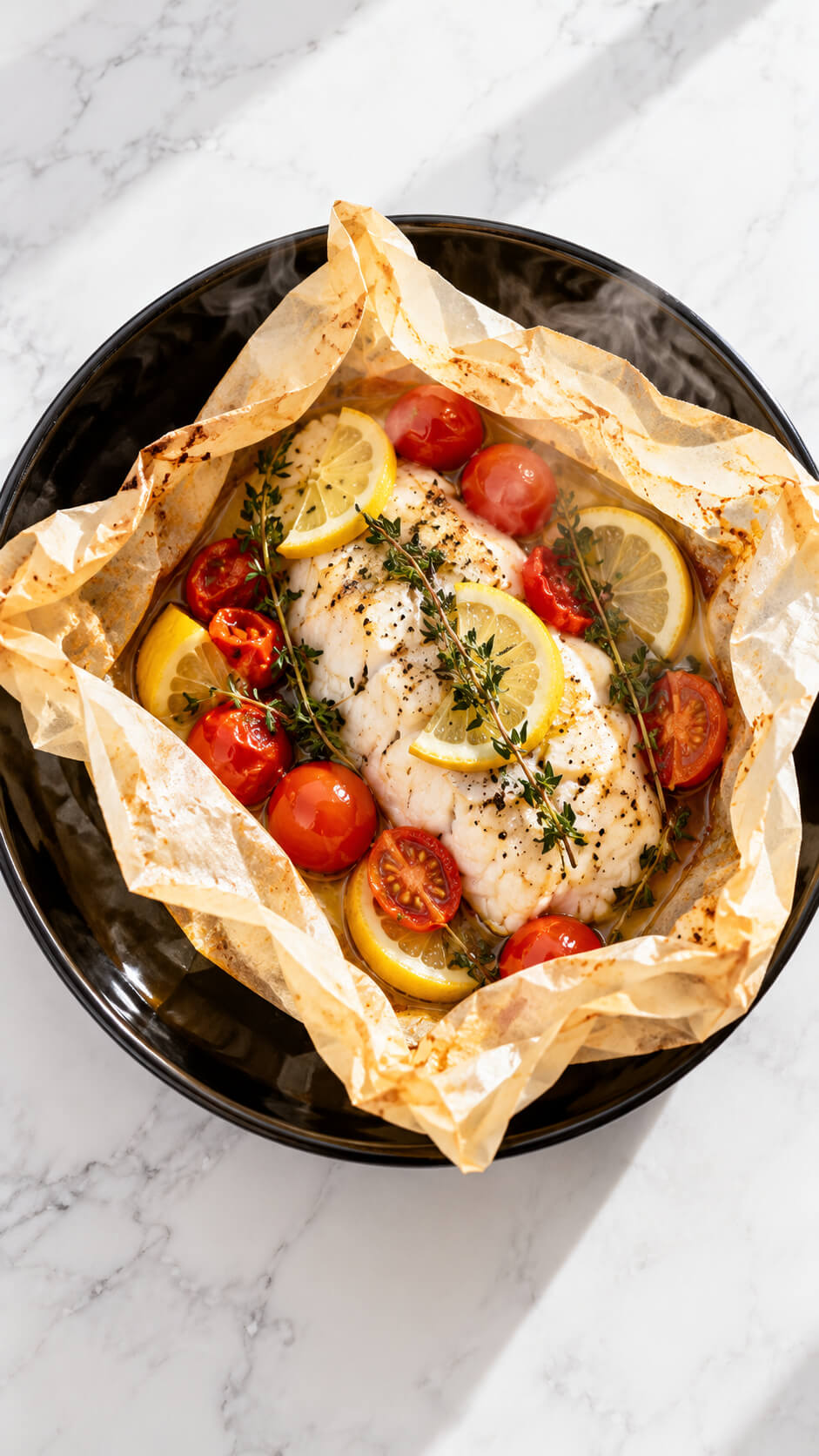
Cooking fish in parchment paper isn’t just a technique—it’s an experience.
The steam traps all the flavors, making the fish incredibly tender and flavorful.
Add slices of lemon, fresh herbs, and a handful of cherry tomatoes for a meal that’s as beautiful as it is delicious.
Plus, there’s zero cleanup—win-win!
Ingredients
- 2 white fish fillets, such as cod, tilapia, haddock, or sea bass
- 1 lemon, thinly sliced
- 1 cup cherry tomatoes
- 6–8 fresh thyme sprigs
- 2 tablespoons olive oil
- 2 garlic cloves, thinly sliced
- ½ teaspoon salt
- ¼ teaspoon black pepper
- ¼ teaspoon paprika
- 1 tablespoon fresh lemon juice
- Parchment paper
Instructions
1. Prepare the fish
Pat the fish fillets dry with paper towels and season both sides with salt, black pepper, and paprika. Drizzle the lemon juice over the fillets and let them sit for about 5 minutes so the seasoning can absorb into the fish.
2. Prepare the parchment
Cut two large sheets of parchment paper, making sure each sheet is large enough to completely surround a fish fillet with room for the edges to fold over. Place each sheet on a clean work surface and lightly brush the center with olive oil.
3. Arrange the ingredients
Place a few lemon slices in the center of each parchment sheet, then position a seasoned fish fillet on top. Arrange the cherry tomatoes, sliced garlic, and fresh thyme sprigs around and over the fish. Drizzle the remaining olive oil evenly over everything.
4. Seal the parchment bundle
Fold the parchment paper over the fish and carefully fold and twist the edges to create a tightly sealed packet. Make sure there are no large openings, as the trapped steam is what gently cooks the fish and keeps it moist.
5. Steam the fish
Place the parchment packets on a baking tray and bake in a preheated oven at 400°F (200°C) for 15–20 minutes, depending on the thickness of the fillets. The fish is ready when it flakes easily with a fork and reaches an internal temperature of 145°F (63°C).
6. Open the parchment carefully
Remove the packets from the oven and allow them to rest for 2–3 minutes. Carefully open the parchment away from your face because hot steam will escape. The fish should be tender, moist, and surrounded by fragrant lemon juices.
7. Serve the fish
Transfer the opened parchment bundle to a glossy black serving bowl or plate and spoon the warm juices over the fish. Garnish with additional fresh thyme and lemon slices, then serve immediately while the fish is hot and glistening.
Tip
For the most tender fish, avoid overcooking it. Start checking thinner fillets around 15 minutes, while thicker pieces may need closer to 20 minutes. Adding a few extra lemon slices and thyme sprigs to the parchment creates an even more fragrant steam as the fish cooks.
14. Beer-Battered Fish
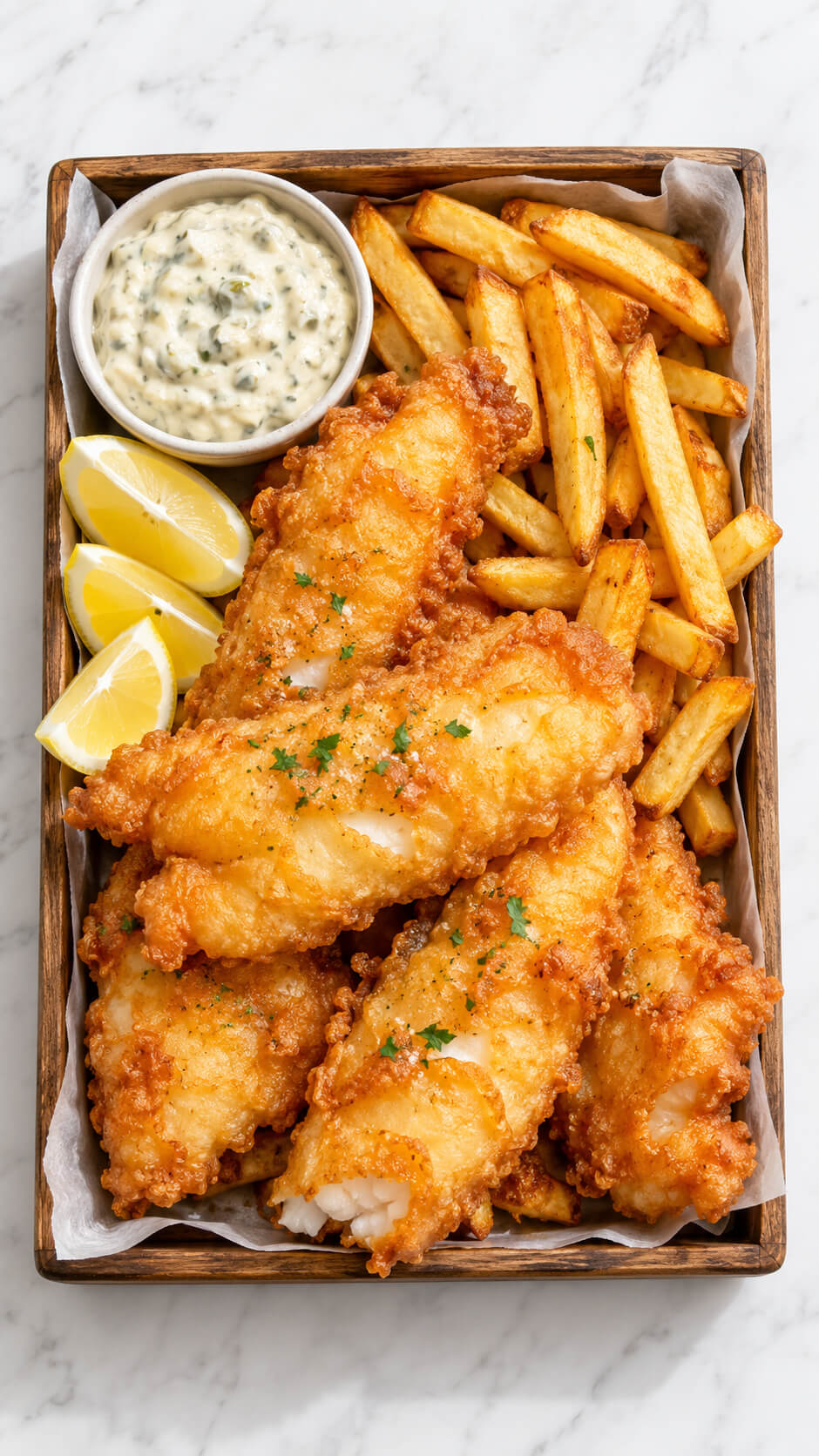
Who can resist the crispy, golden goodness of beer-battered fish?
It’s pub food at its finest, with tender fish encased in a light, crunchy batter.
Serve it with tartar sauce and fries for the ultimate comfort meal.
It’s a little indulgent, but hey, sometimes you just need to treat yourself.
Ingredients
- 1½ lbs (700 g) white fish fillets, such as cod, haddock, or tilapia
- 1½ cups all-purpose flour
- 1 large egg
- 1 cup cold beer
- ½ teaspoon salt
- ¼ teaspoon black pepper
- ½ teaspoon baking powder
- 4 cups vegetable oil, for deep frying
- 4 large potatoes, cut into thick fries
- 1 lemon, cut into wedges
- Tartar sauce, for serving
- Salt, to taste
For the tartar sauce
- ½ cup mayonnaise
- 2 tablespoons finely chopped pickles
- 1 tablespoon lemon juice
- 1 tablespoon finely chopped onion
- 1 teaspoon chopped fresh parsley
- ¼ teaspoon black pepper
Instructions
1. Prepare the fish
Pat the fish fillets thoroughly dry with paper towels, then cut them into evenly sized pieces. Season lightly with salt and black pepper and set them aside while you prepare the batter.
2. Prepare the batter
Whisk the flour, baking powder, salt, and black pepper in a large bowl. In a separate bowl, beat the egg with the cold beer, then gradually whisk the liquid into the flour mixture until you have a smooth, thick batter. Do not overmix; a few small lumps are fine.
3. Prepare the fries
Cut the potatoes into thick, even strips and rinse them under cold water to remove excess starch. Dry them very thoroughly with a clean kitchen towel or paper towels. Fry them in hot oil until lightly golden and tender, then remove and drain while you prepare the fish.
4. Coat the fish
Lightly dust each piece of fish with flour, shaking off the excess. Dip the fish into the cold batter, making sure every surface is evenly coated. Let any excess batter drip back into the bowl before frying.
5. Fry the fish
Heat the vegetable oil to 350°F (175°C). Carefully lower the battered fish into the hot oil in small batches, leaving enough space between the pieces for the oil to circulate. Fry for about 4–6 minutes, turning occasionally, until the batter is deep golden brown and the fish is cooked through.
6. Finish the fries
Increase the oil temperature to about 375°F (190°C) and return the partially cooked fries to the oil. Fry for another 2–4 minutes until deeply golden and crisp. Drain them on paper towels and season immediately with salt.
7. Prepare the tartar sauce
Combine the mayonnaise, chopped pickles, lemon juice, onion, parsley, and black pepper in a small bowl. Stir until smooth and refrigerate until ready to serve.
8. Serve the fish and chips
Arrange the crispy fish and fries on a wooden serving tray. Add lemon wedges and a bowl of tartar sauce alongside. Serve immediately while the fish and fries are hot and crunchy.
Tip
For the crispiest batter, keep the beer very cold and avoid overmixing the batter. Make sure the fish is completely dry before coating it, and fry in small batches so the oil temperature stays high and the crust remains light and crunchy.
15. Lemon Dill Poached Cod
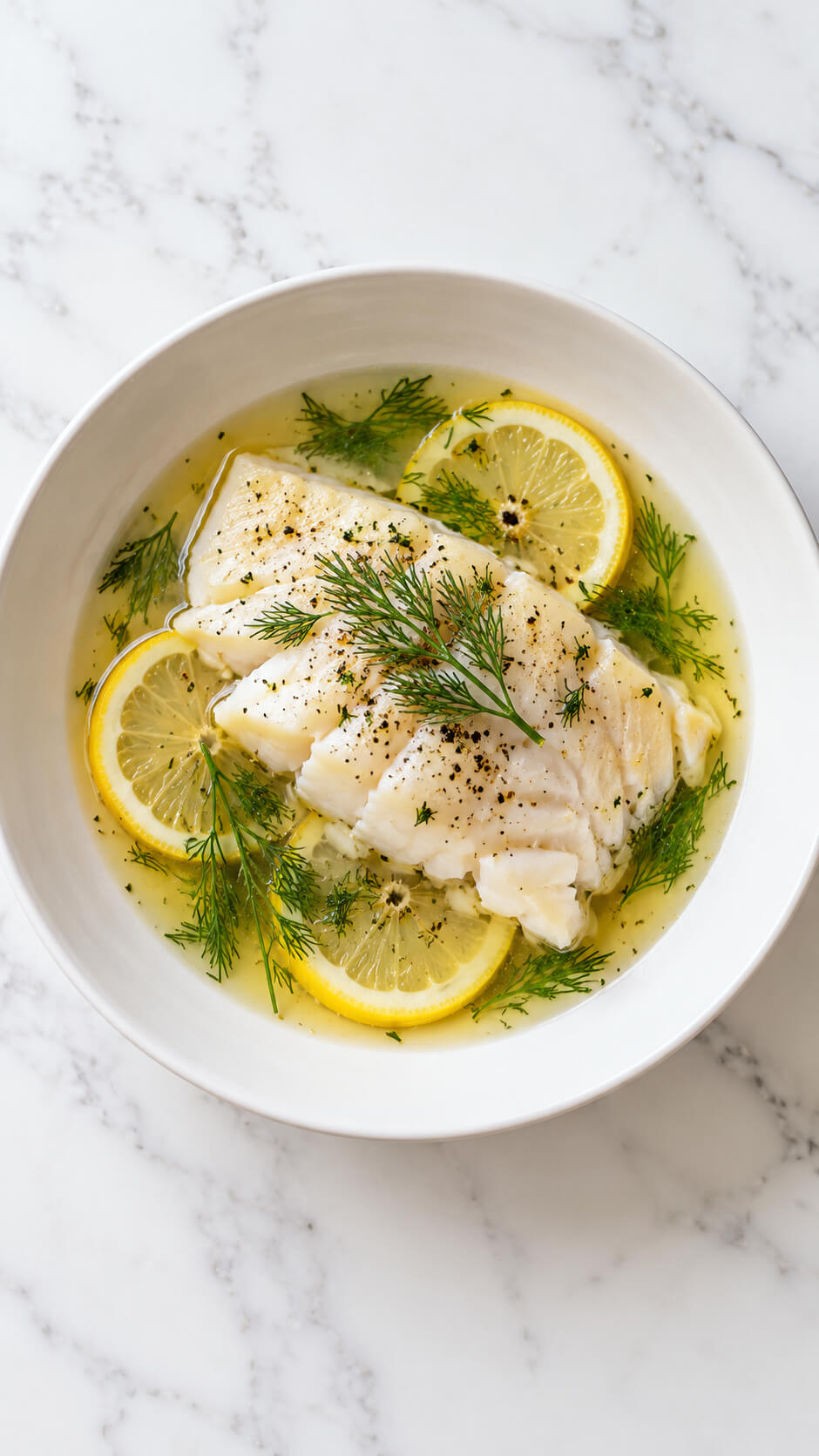
Poaching cod in a fragrant broth of lemon, dill, and white wine keeps it moist and flavorful.
The gentle cooking method preserves its delicate texture, and the aromatic broth doubles as a light sauce.
Serve it with roasted potatoes or a grain salad for a meal that feels clean and fresh.
Ingredients
- 2 cod fillets, about 5–6 ounces (140–170 g) each
- 2 cups fish or vegetable broth
- 1 lemon
- ½ small onion, thinly sliced
- 2 cloves garlic, lightly crushed
- 4–5 sprigs fresh dill
- 1 tablespoon fresh lemon juice
- ½ teaspoon salt
- ¼ teaspoon freshly ground black pepper
- 1 tablespoon olive oil
- Extra fresh dill, for serving
Instructions
1. Prepare the lemon and dill broth
Pour the broth into a wide, shallow skillet and add the sliced onion, crushed garlic, several dill sprigs, half of the lemon cut into thin slices, lemon juice, salt, and black pepper. Bring the mixture to a gentle simmer over medium heat, allowing the herbs and lemon to infuse the broth with fresh flavor.
2. Add the cod to the broth
Pat the cod fillets dry with paper towels and gently place them into the simmering broth. The liquid should come about halfway up the sides of the fish, allowing the cod to poach gently without becoming submerged completely.
3. Poach the cod gently
Reduce the heat to low and cover the skillet loosely with a lid. Cook the cod for about 7–10 minutes, depending on the thickness of the fillets, until the flesh is opaque and flakes easily when gently pressed with a fork.
4. Finish the broth
Remove the cod carefully from the skillet and set it aside briefly. Taste the broth and adjust the seasoning with a little more lemon juice, salt, or black pepper if needed. Stir in the olive oil for a subtle richness and a glossy finish.
5. Arrange the cod in a bowl
Place each tender cod fillet in a shallow white serving bowl. Ladle some of the warm lemon and dill broth around the fish, making sure the broth surrounds the fillet without completely covering it.
6. Garnish the cod
Add fresh dill sprigs and a few thin lemon slices around the cod. Finish with a light sprinkle of freshly ground black pepper to enhance the fresh citrus and herbal flavors.
7. Serve the cod immediately
Serve the poached cod while it is hot, with plenty of the fragrant broth around the fish. The delicate cod is best enjoyed immediately while the fillet is moist, flaky, and glistening.
Tip
For especially tender cod, keep the broth at a gentle simmer rather than allowing it to boil. A vigorous boil can cause the delicate fish to break apart and become tougher. For an extra glossy finish, drizzle a few drops of olive oil over the cod just before serving.
16. Ceviche
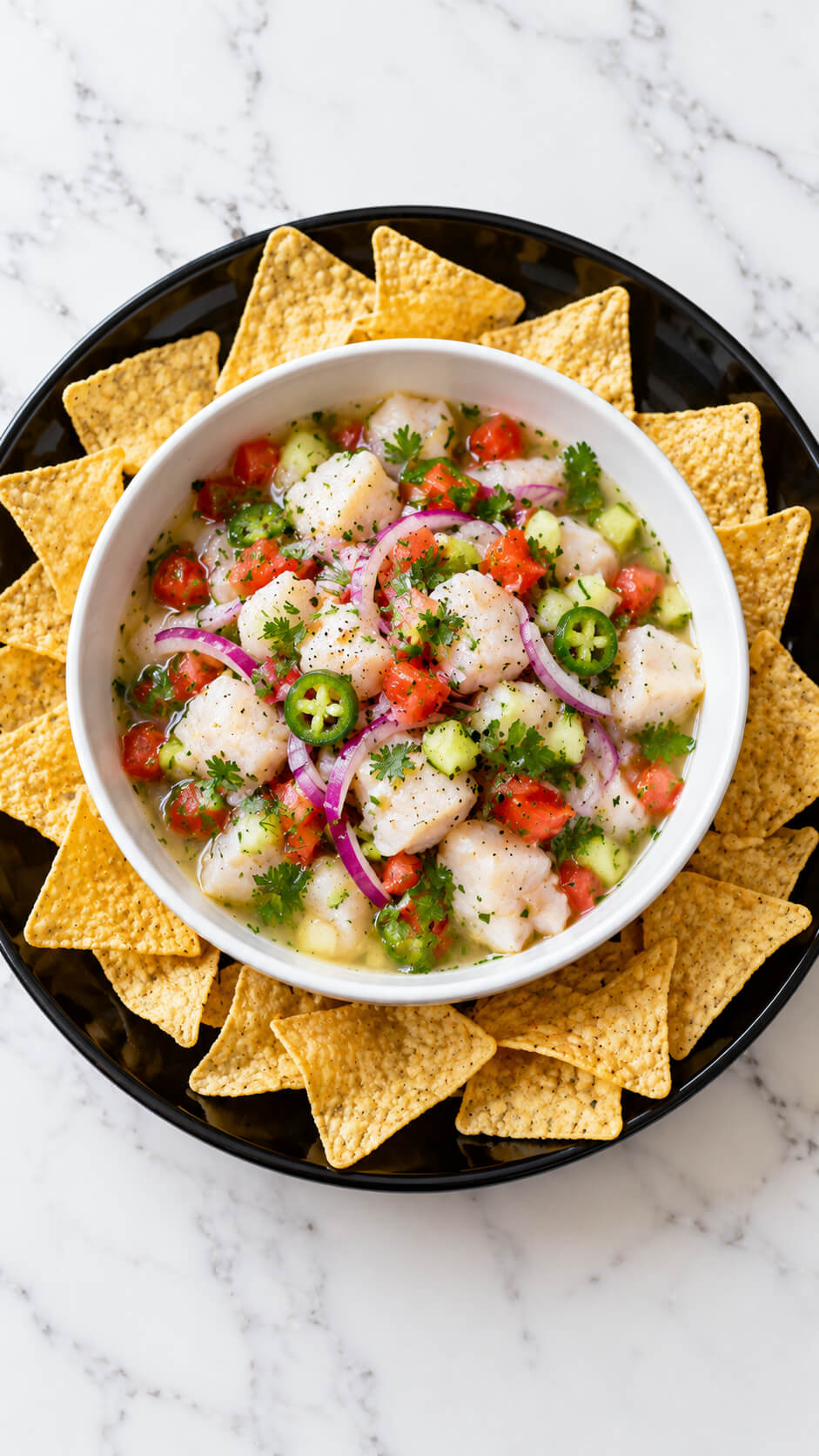
Fresh, zesty, and no-cook, ceviche is a celebration of white fish at its best.
Lime juice “cooks” the fish, while chopped onions, cilantro, and chili peppers add a burst of flavor.
Serve it with tortilla chips or plantain chips for a vibrant appetizer or light meal that’s packed with personality.
Ingredients
- 1 lb (450 g) fresh white fish, such as sea bass, snapper, or tilapia, cut into small cubes
- ½ cup fresh lime juice
- ½ small red onion, thinly sliced
- 1–2 jalapeños, finely sliced
- 1 cup tomatoes, diced
- ½ cup cucumber, diced
- ¼ cup fresh cilantro, chopped
- ½ teaspoon salt
- ¼ teaspoon black pepper
- Tortilla chips, for serving
Instructions
1. Cut the fish into small pieces
Cut the fresh white fish into evenly sized, bite-sized cubes. Use very fresh, high-quality fish intended for raw preparations, and keep it chilled while preparing the other ingredients.
2. Marinate the fish in lime juice
Place the diced fish in a glass or non-reactive bowl and pour the lime juice over it. Gently toss to coat every piece, then refrigerate for about 15–20 minutes, until the fish becomes opaque on the outside while remaining tender.
3. Prepare the vegetables
While the fish marinates, dice the tomatoes and cucumber, thinly slice the red onion and jalapeños, and finely chop the cilantro. Keeping the vegetables relatively small helps them combine evenly with the fish.
4. Combine the ceviche ingredients
Drain off some of the excess lime juice if desired, then add the red onion, jalapeños, tomatoes, cucumber, and cilantro to the marinated fish. Season with salt and black pepper and gently toss everything together.
5. Chill the ceviche
Cover the bowl and refrigerate the ceviche for another 5–10 minutes. This gives the ingredients time to mingle while keeping the fish fresh and cool.
6. Serve the ceviche
Spoon the ceviche into a chilled white bowl and arrange it on a glossy black serving tray. Scatter colorful tortilla chips around the bowl for dipping and serve immediately.
Tip
For the freshest flavor and best texture, serve ceviche soon after marinating. If you’re serving it to guests, keep it refrigerated until the moment you bring it to the table.
17. White Fish Stir-Fry
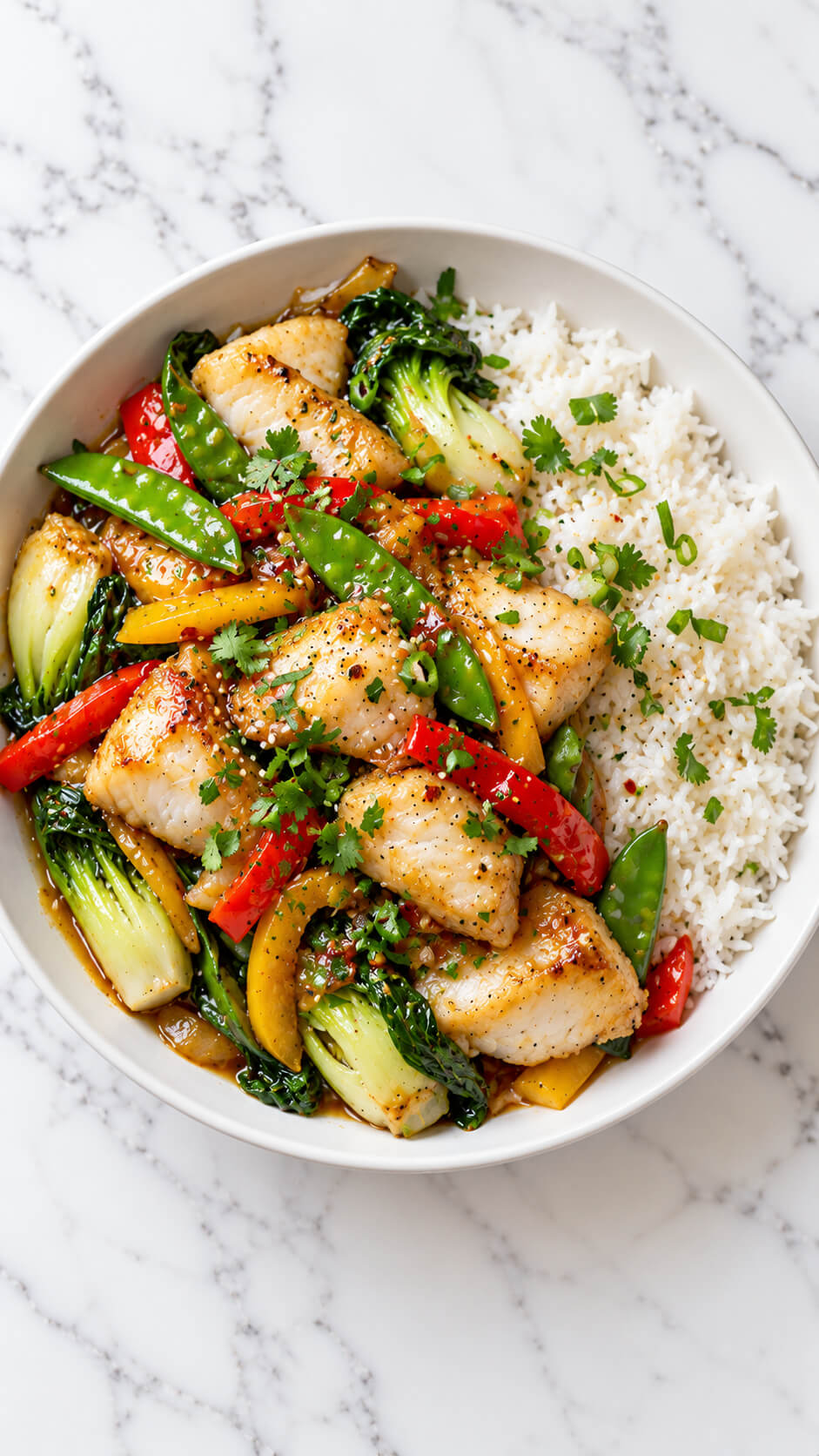
Quick, colorful, and packed with veggies, a white fish stir-fry is the epitome of weeknight ease.
Flaky fish pairs beautifully with a medley of bell peppers, snap peas, and a savory soy-ginger sauce.
Serve it over rice or noodles, and you’ve got a wholesome, delicious meal ready in minutes.
Ingredients
- 500 g white fish fillets, such as cod, haddock, tilapia, or pollock, cut into bite-sized chunks
- 2 tablespoons vegetable oil
- 1 red bell pepper, sliced
- 1 yellow bell pepper, sliced
- 1½ cups snap peas
- 2 small pak choy, quartered
- 2 cloves garlic, finely minced
- 1 tablespoon fresh ginger, finely grated
- 3 green onions, sliced
- 2 tablespoons fresh cilantro or coriander, chopped
- 2 cups cooked fluffy white rice
- 1 tablespoon sesame seeds, for garnish
For the soy-ginger glaze
- ¼ cup soy sauce
- 2 tablespoons honey
- 1 tablespoon rice vinegar
- 1 tablespoon sesame oil
- 1 teaspoon fresh ginger, finely grated
- 1 clove garlic, finely minced
- 1 teaspoon cornstarch
- 2 tablespoons water
Instructions
1. Prepare the soy-ginger glaze
Whisk the soy sauce, honey, rice vinegar, sesame oil, ginger, garlic, cornstarch, and water together in a small bowl until the cornstarch is completely dissolved. Set the glaze aside so it is ready to add once the fish and vegetables are cooked.
2. Season the fish
Pat the fish chunks dry with paper towels and season them lightly with salt and black pepper. Drying the fish helps it develop a golden surface in the pan instead of steaming.
3. Cook the fish
Heat 1 tablespoon of vegetable oil in a large skillet or wok over medium-high heat. Add the fish pieces in a single layer and cook for about 2–3 minutes on each side, or until lightly golden on the outside and opaque and flaky in the center. Transfer the fish to a plate and set aside.
4. Stir-fry the vegetables
Add the remaining tablespoon of vegetable oil to the same pan. Add the bell peppers and snap peas and stir-fry for 2–3 minutes until they are brightly colored and still slightly crisp.
5. Add the pak choy and aromatics
Add the pak choy, minced garlic, grated ginger, and sliced green onions to the pan. Stir-fry for another 2 minutes, allowing the pak choy to soften slightly while keeping its fresh green color and crisp texture.
6. Add the glaze
Give the prepared glaze another quick stir, then pour it over the vegetables. Toss everything together for 1–2 minutes as the sauce heats and thickens into a glossy coating.
7. Return the fish to the pan
Gently add the cooked fish back to the skillet and toss carefully with the vegetables and glaze. Cook for about 1 minute, just long enough for the fish to become hot and thoroughly coated without breaking apart.
8. Serve with rice
Spoon the fluffy cooked rice into a shallow white serving bowl and arrange the glossy fish and vegetables alongside or over the rice. Garnish with fresh cilantro or coriander, sliced green onions, and sesame seeds, then serve immediately while hot.
Tip
For the best texture, avoid overcrowding the pan when cooking the fish. If necessary, cook it in two batches so each piece has enough space to brown rather than release moisture and steam.
Wrap Up
White fish recipes are simple, tasty, and perfect for any meal.
From crispy crusts to creamy sauces, there’s something for everyone to enjoy.
So, grab your favorite recipe, get cooking, and let the flavors shine.
Your next delicious fish dish is waiting—happy cooking and enjoy every bite!