21 Enchanting Woodland Garden Ideas to Inspire Your Design
Woodland Garden Ideas - Guyo's Guide

Do you love nature and quiet, shady places?

A woodland garden might be perfect for you!

In this article, we’ll share simple and fun ideas to help you create your own peaceful forest-like garden at home.

Ready to make your backyard magical? Let’s get started!


1. Create a Moss-Covered Path
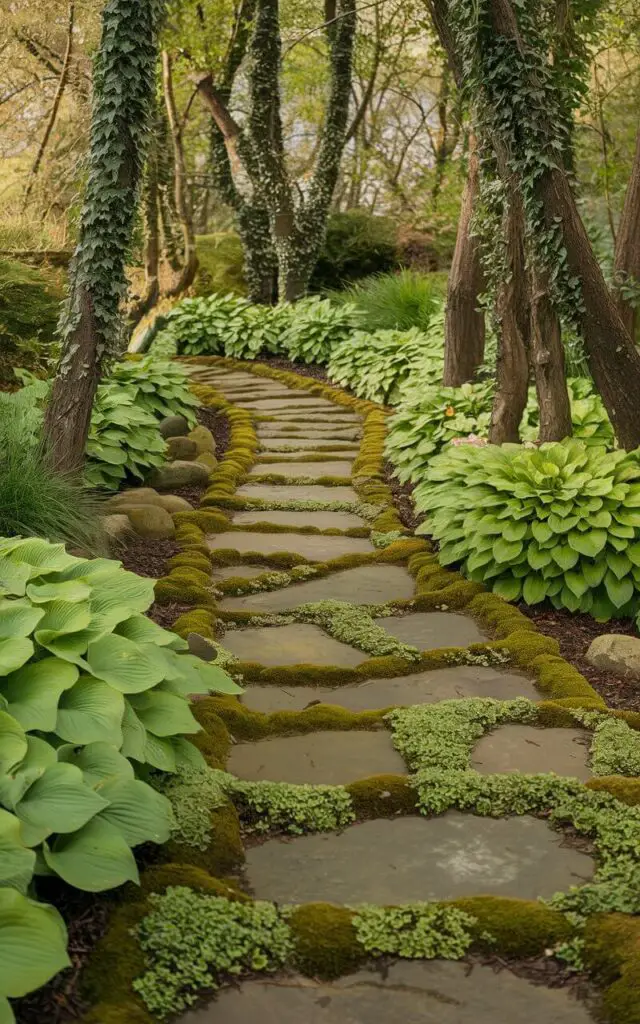
A photo of a meandering stone path in a woodland garden. The path is lined with moss-covered stones of varying shapes, each surrounded by small tufts of greenery. The ground is dappled with light from the tall overhead trees, whose trunks are wrapped in delicate ivy. Low ferns and clusters of hostas flank the path, creating lush, layered borders. The garden has an enchanted forest feel, where nature and design harmonize beautifully in both texture and tone.

Nothing says woodland like a soft, mossy path that winds through trees. 

Skip the concrete and lay down flat stones, letting moss fill the gaps over time. 

It’s low-maintenance, feels magical underfoot, and instantly transforms your garden into something that looks like it was pulled from a fairytale.


2. Add a Rustic Wooden Archway

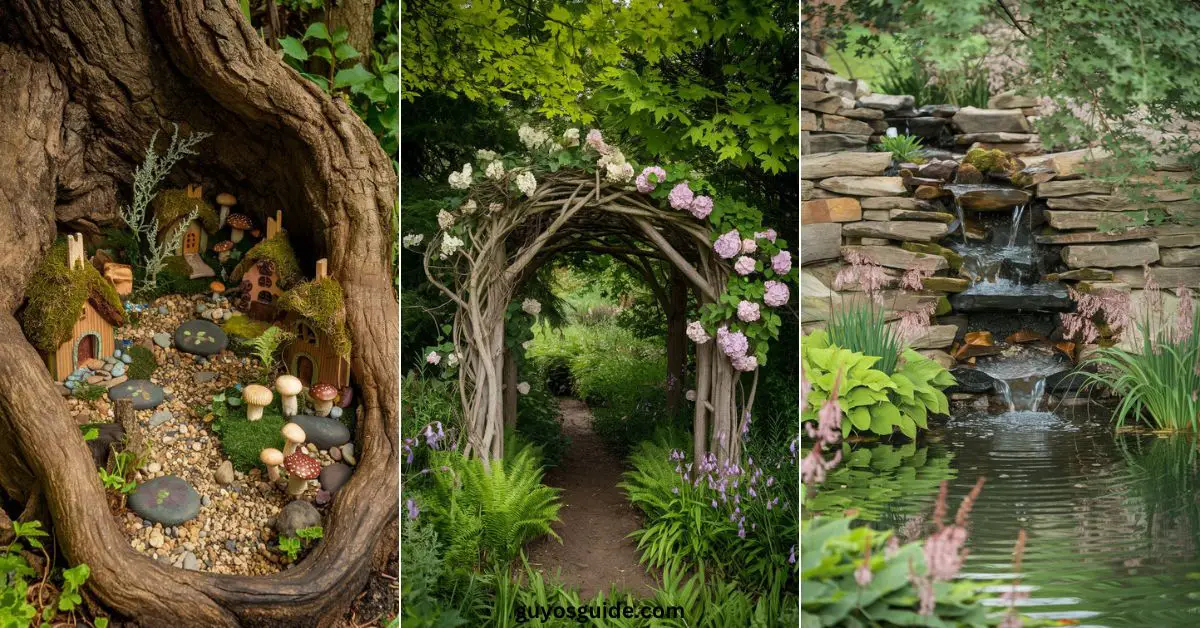
A woodland garden filled with lush greenery and wildflowers. A hand-built wooden archway made of twisted branches stands proudly in the center. The arch is partially wrapped in flowering vines, including clematis and climbing hydrangea, with blooms in shades of ivory and blush pink. A narrow dirt path leads beneath the arch, deeper into the shaded forest-like setting. Ferns, bluebells, and scattered wildflowers grow thick around the base of the arch. The dense canopy above is filled with green, sun-dappled leaves. This scene captures the rustic elegance of nature enhanced with a touch of artistic structure.

A handmade wooden arch feels like the doorway to another world. 

Build one using branches or reclaimed wood, and let ivy or climbing roses take over. 

It creates a sense of mystery—what’s beyond the arch?—and gives your garden a romantic, overgrown vibe that’s anything but ordinary.


3. Plant a Carpet of Wildflowers
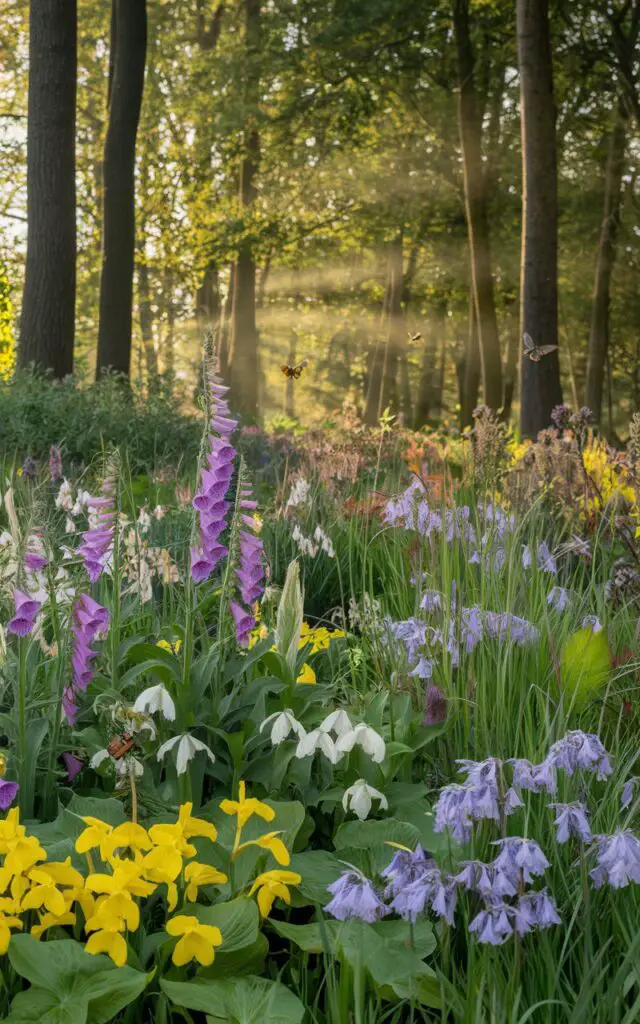
A photo of a forest clearing that has been transformed into a thriving woodland garden. The ground is covered with a vibrant array of native wildflowers, including purple foxgloves, delicate white trilliums, bright yellow celandines, and pale blue woodland phlox. The garden is surrounded by towering trees with a protective canopy. Golden rays of light filter through the leaves. The garden is home to bees and butterflies, which hover over the blooms. The landscape is well-decorated, striking a rare balance between natural randomness and visual harmony.

Let wildflowers run wild. Scatter seeds like foxglove, woodland phlox, or bluebells under trees and shrubs. 

The result? A colorful, ever-changing blanket of blooms that feels delightfully untamed. 

It’s good for bees, butterflies, and anyone who’s ever dreamed of wandering through a secret forest meadow.


4. Incorporate a Hollowed Log Planter
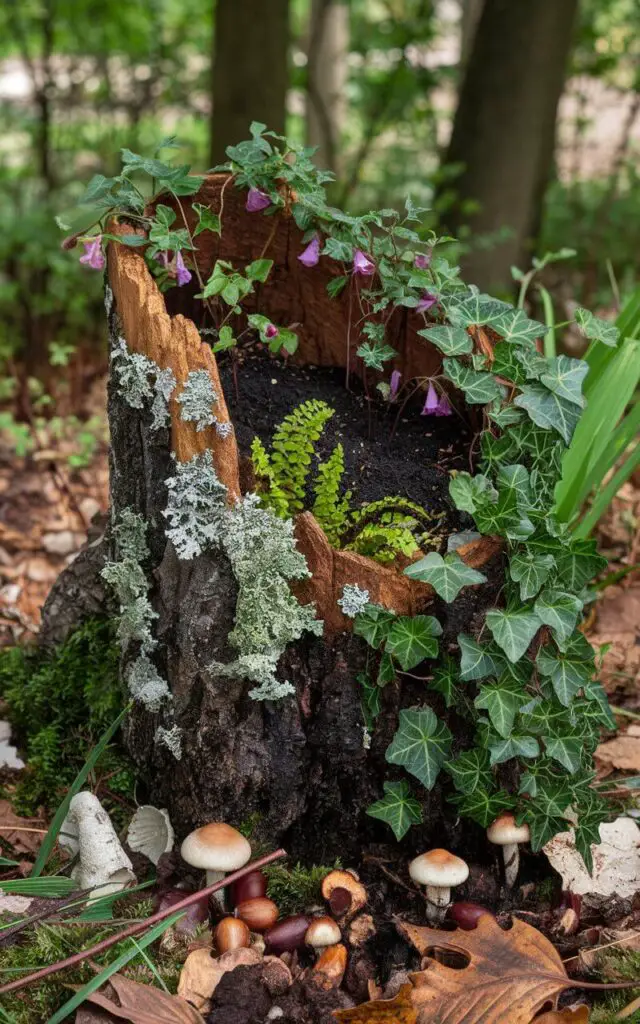
A photo of a woodland garden with a hollowed-out log on the forest floor. The log is filled with dark, moist soil and is brimming with small ferns, purple coral bells, and trailing ivy spilling over the edges. Lichen and moss cling to the bark's exterior, enhancing the organic aesthetic. Around the log, fallen leaves mingle with sprouting mushrooms and scattered acorns, creating a miniature world of forest life. The background is filled with trees and greenery.

Turn a fallen log into a natural planter—just hollow it out, fill with soil, and plant shade-loving greenery like ferns or coral bells. 

It looks like it’s been there forever, blending seamlessly with the woodland floor. 

Bonus: it adds texture without needing to buy anything new.


5. Add Tree Stump Seating
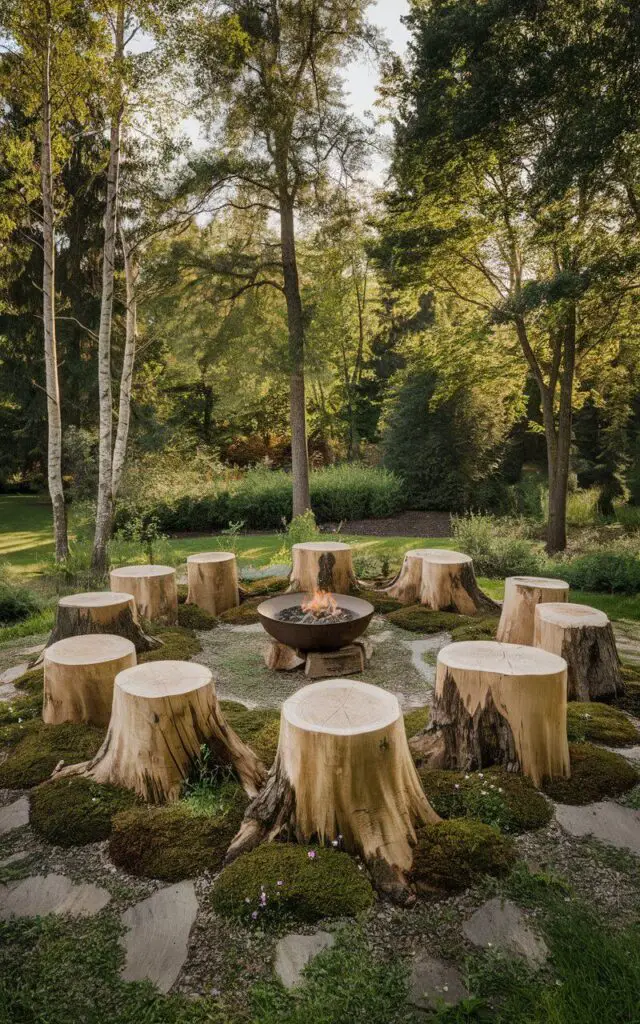
A serene woodland garden with a rustic seating area made of tree stumps. The seating area is circular and has a fire pit in the center. The stumps are of varying heights and diameters, with smooth wood grain. Mosses and tiny wildflowers grow at the bases of the stumps. The area is surrounded by tall birch and maple trees, with dappled sunlight filtering through the canopy. The overall scene is well-decorated and offers a natural social space that feels intentional and harmonious with its surroundings.

Who needs patio chairs when you can sit on a tree stump? 

Sand the tops flat and arrange them like a circle of woodland thrones. 

They age beautifully, feel grounded and earthy, and invite guests (and squirrels) to pause for a moment and soak in the scene.


6. Build a Hidden Nook
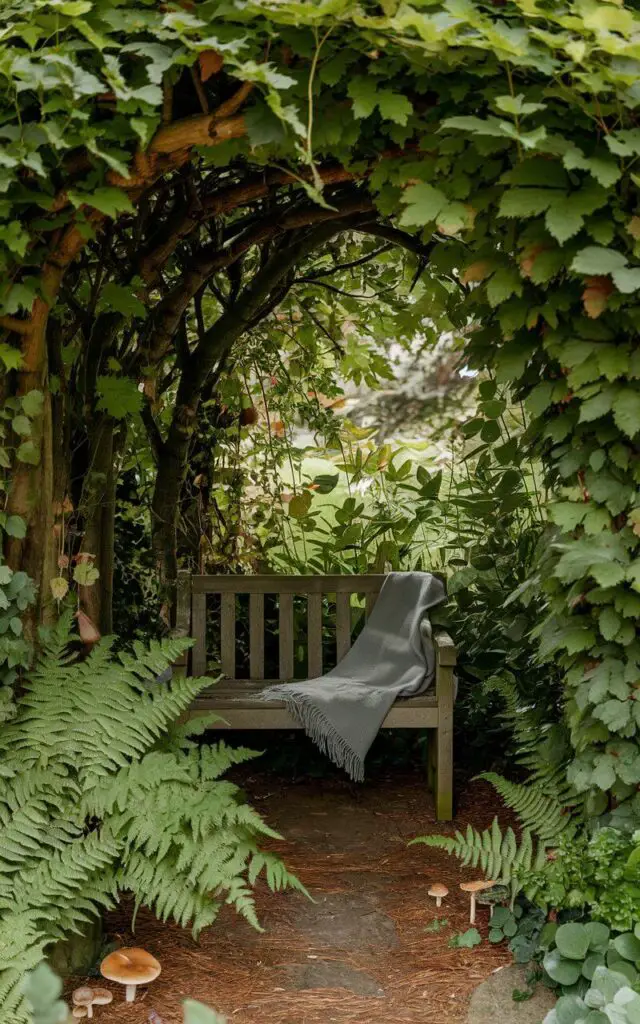
A photo of a small wooden bench nestled beneath an arching canopy of hazel and elder trees in a woodland garden retreat. The bench is nearly hidden by layers of foliage. Surrounding the bench, tall ferns and leafy shrubs offer privacy and softness. A simple throw blanket drapes over the seat. The surrounding earth is soft with pine needles and dotted with mushrooms. Gentle light filters through the green overhead, casting flickering shadows. This very well decorated corner feels like a secret haven, inviting quiet moments of reflection amid the lush, shaded sanctuary.

Everyone needs a secret spot. 

Carve out a tiny space with a bench, some dense foliage, and maybe a cozy blanket. 

Surround it with ferns, vines, or small trees to make it feel tucked away. 

It’s perfect for morning coffee or pretending you’re in a forest novel.


7. Let Ferns Take Over
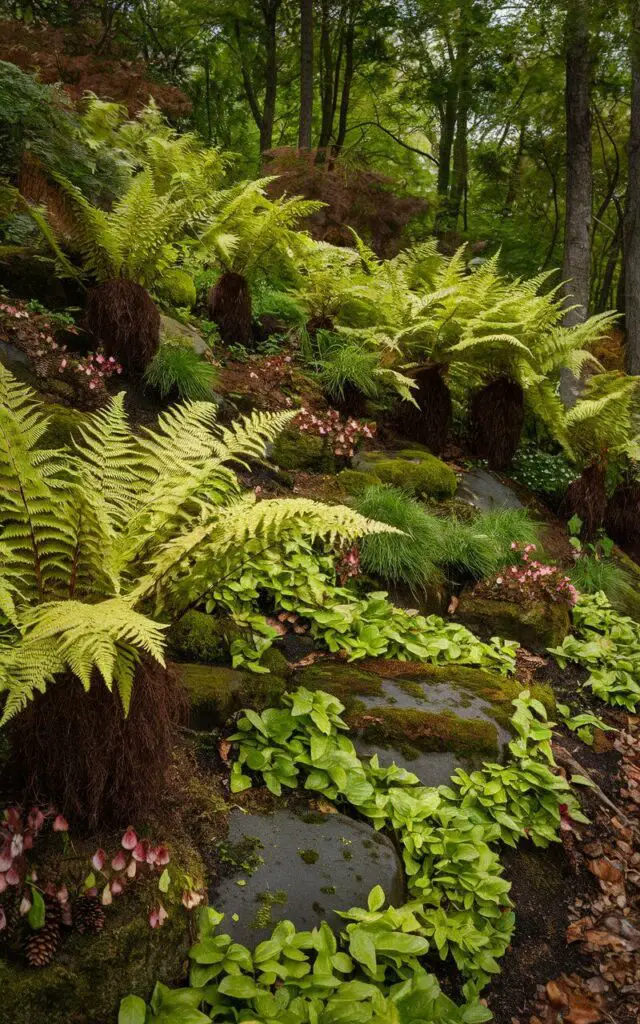
A sweeping fern bed occupies a shaded slope within a dense woodland garden, displaying a variety of textures and heights. Tall ostrich ferns sway gently in the breeze, while shorter lady ferns fill the spaces in between with feathery foliage. The bed is interspersed with moss-covered stones and small clusters of hellebores. Fallen leaves and pinecones add natural detail to the scene, making it feel authentically forested. The garden bed is very well decorated, showcasing the elegance of ferns as foundational elements in a lush, layered woodland setting.

Ferns are the quiet stars of the woodland world. 

Plant a few varieties—like lady fern or Japanese painted fern—and watch them fill in shady spots with their soft, feathery texture. 

They don’t ask for much and give your garden a lush, prehistoric feel in return.


8. Make a Mini Fairy Garden
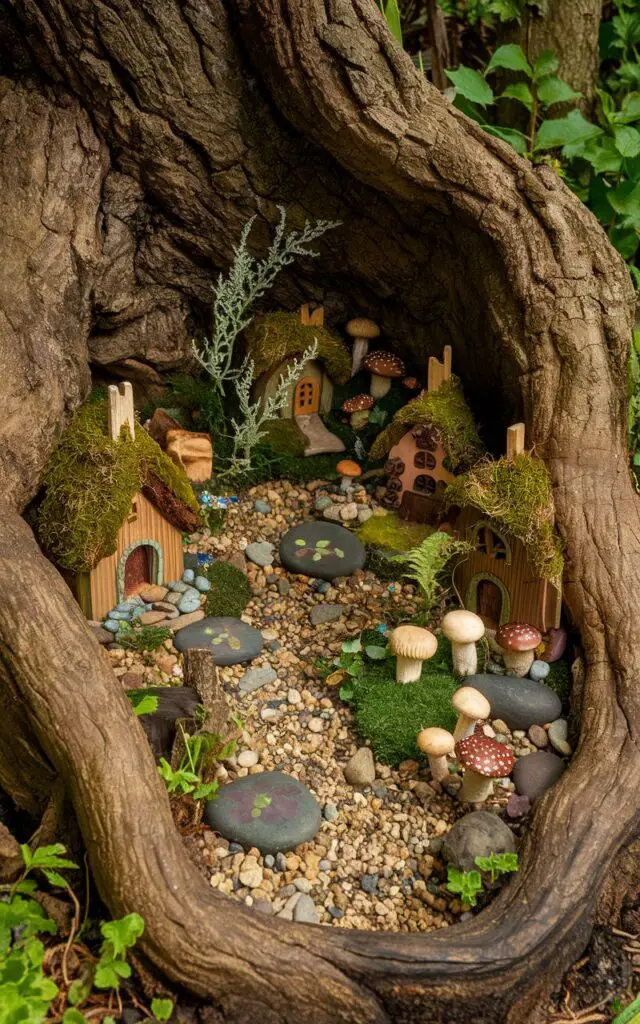
A photo of a fairy garden nestled at the base of a gnarled tree trunk in a shaded woodland garden. There are tiny wooden cottages with mossy rooftops, surrounded by painted pebbles, acorn furniture, and delicate toadstools. A tiny gravel path winds through the micro-village, flanked by baby's tears and miniature ferns. The tree's roots twist protectively around the scene, making it feel hidden and enchanted.

Let your imagination play. 

Create a tiny village beneath a tree or nestled in moss using miniature furniture, houses, or even acorn caps. 

Whether or not you believe in fairies, these little hidden corners add charm, spark smiles, and encourage a sense of wonder.


9. Create a Leaf Litter Floor
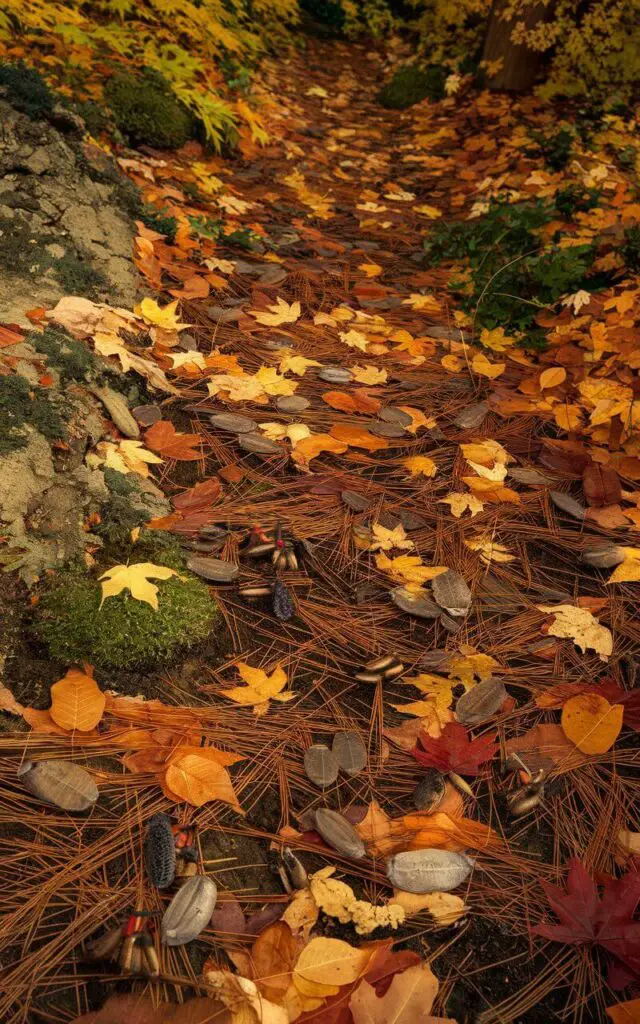
A photo of a woodland garden with a forest floor richly carpeted with fallen autumn leaves of amber, bronze, and faded crimson colors. The leaves are mixed with pine needles and seed pods. Patches of earth peek through in places, alongside colonies of moss and small ground plants. The uneven terrain adds texture, while the warm tones create a feeling of comfort and authenticity. There is no mulch or artificial covering, just nature's blanket in its raw beauty. The scene is very well decorated, embracing the wild, layered character of a natural forest floor while supporting biodiversity.

Embrace the mess—seriously. 

Let leaves accumulate naturally beneath your trees and beds. 

This keeps the soil moist, feeds your plants, and looks completely in tune with a woodland theme. 

Forget the rake; Mother Nature’s mulch is already doing the work beautifully.


10. Install a Natural Water Feature
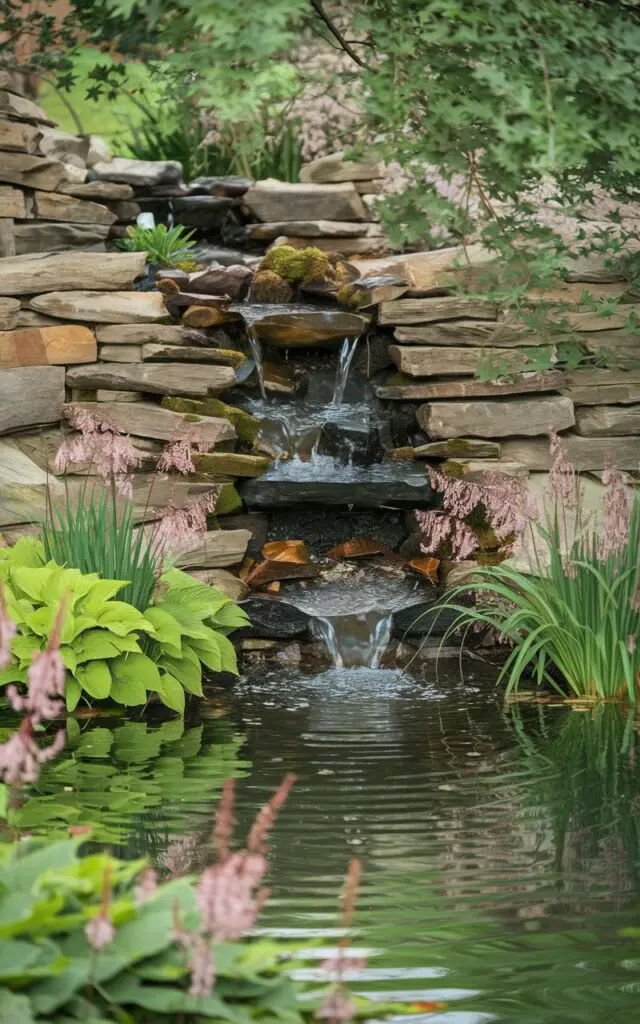
A photo of a serene woodland garden with a gently trickling water feature. The water flows from a rock-lined spring, cascading over small mossy stones. It eventually flows into a shallow pond surrounded by shade-loving plants—astilbe, hostas, and marsh marigolds—whose reflections shimmer in the gentle ripples. The sound of water blends with birdsong, adding to the tranquil ambiance. Overhanging branches and the soft rustle of leaves complete the scene. The water feature is very well decorated, looking entirely natural yet clearly designed with care to enhance the calming woodland atmosphere.

A woodland garden isn’t complete without the sound of trickling water. 

Use rocks, logs, or an old basin to create a tiny stream or still pond. 

Add moss and shade-loving plants around it. Frogs might move in. Birds will definitely stop by. Peace guaranteed.


11. Use Twig Trellises and Fencing
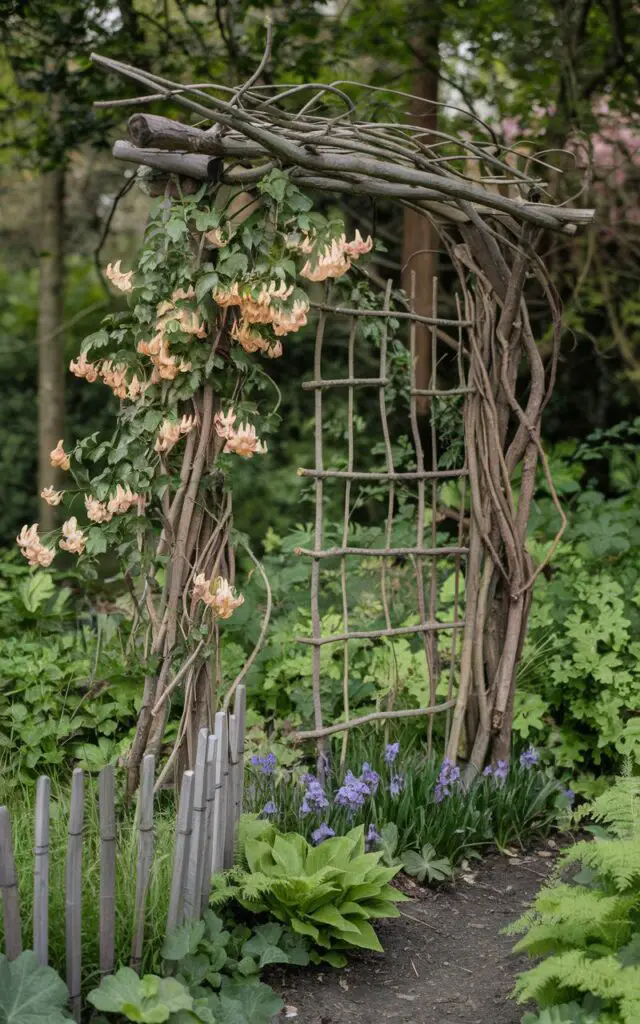
A photo of a handcrafted trellis made entirely from twisted twigs and slender branches in a lush woodland garden. The trellis supports a cascade of climbing honeysuckle, with its pale orange blossoms glowing against the textured wood. Nearby, a short fence constructed from similar materials borders a narrow path, separating garden beds filled with violets, ferns, and columbine. The natural hues of the wood blend beautifully with the forest backdrop.

Skip the store-bought stuff and make your own trellises from fallen branches. 

They’re irregular, rustic, and totally charming—just like a woodland garden should be. 

Use them to guide vines or edge a path. 

It’s a crafty, eco-friendly way to keep the look wild yet intentional.


12. Grow Understory Trees

A photograph of a secluded woodland garden grove featuring a vibrant redbud tree as the central focus. The redbud’s heart-shaped leaves glow a luminous chartreuse, and clusters of delicate pink blossoms adorn its branches, catching the dappled sunlight filtering through the canopy above. Beneath the redbud, a layer of lush spring ephemerals—trilliums and bluebells—creates a textured understory, while towering oak and beech trees form a majestic backdrop. Soft, golden light illuminates the scene, enhancing the depth and tranquility of this perfectly layered ecosystem.

Add a second layer beneath taller trees with smaller varieties like dogwood, redbud, or serviceberry. 

They thrive in dappled light, offer gorgeous spring blooms, and make your garden feel layered and immersive. 

It’s like building a forest from the ground up—with texture, shade, and surprises.


13. Let Vines Ramble Freely
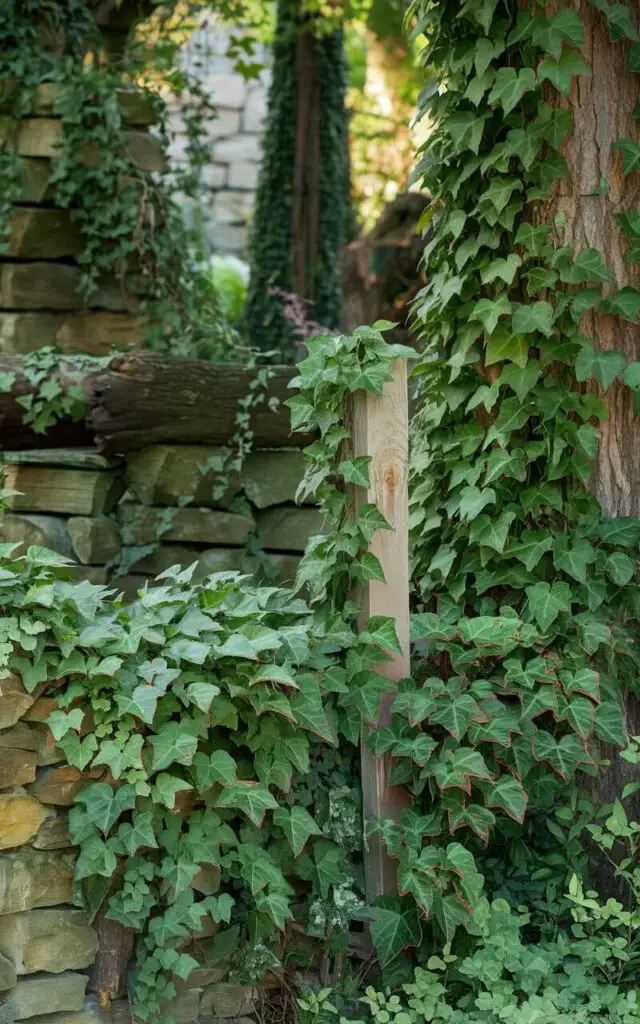
A photo of a whimsical woodland garden corner with lush vines of Virginia creeper and native ivy covering low stone walls, tree trunks, and a fallen log. There's also an old wooden signpost with ivy growing over it. The foliage has deep green leaves with red edges and is illuminated by dappled sunlight. The background reveals more of the garden, with more stone walls and tree trunks covered in vines.

Stop pruning and let your vines run wild. 

Let Virginia creeper or ivy spill over stumps, climb trees, or drape across a low fence. 

Their casual growth softens hard edges and gives the garden that “left alone and thriving” energy that makes woodland spaces so compelling.


14. Include Shade-Loving Edibles
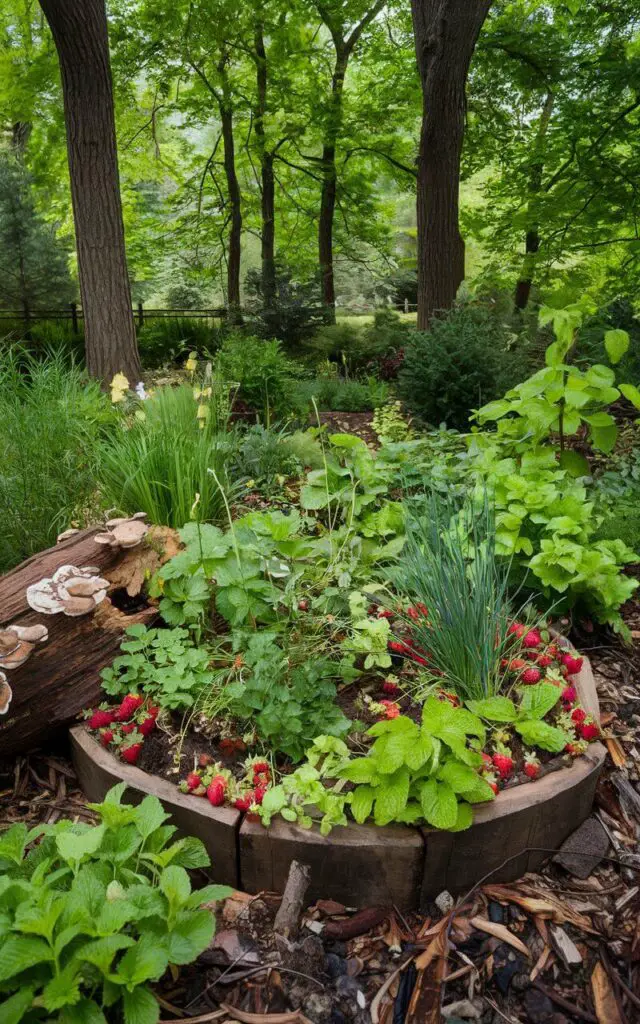
A woodland garden with a shaded edible bed. The bed is tucked beneath towering trees and is filled with woodland strawberries, ramps, and soft herbs like lemon balm and mint. Mushrooms sprout from a nearby log. The soil is dark and healthy, and the area is littered with leaf mulch. The garden is not only practical but also very well decorated, merging beauty and function in an earthy, understated woodland design.

You can have your enchanted garden and eat it, too. 

Add woodland edibles like wild strawberries, ramps, or mushrooms. 

They blend in naturally, feed your curiosity (and your kitchen), and remind you that forests aren’t just beautiful—they’re full of surprises you can harvest.


15. Build a Log Pile Habitat

A photo of a thoughtfully stacked log pile in a woodland garden. The log pile is beside a trail and is home to moss, bracket fungi, snails, beetles, and occasionally frogs. The ground around the log pile is covered with dried leaves and bark chips. Nearby, there are ferns and nettles. The log pile serves as a visual centerpiece and a thriving habitat, exemplifying the harmony between aesthetics and ecological value in a wild-inspired garden.

Stack logs in a corner—not just for looks, but for life. 

Frogs, insects, fungi, and maybe even a hedgehog (if you’re lucky) will move in. 

It’s one of the simplest ways to add wild charm and support your garden’s tiny, unseen residents.


16. Edge With Natural Stone
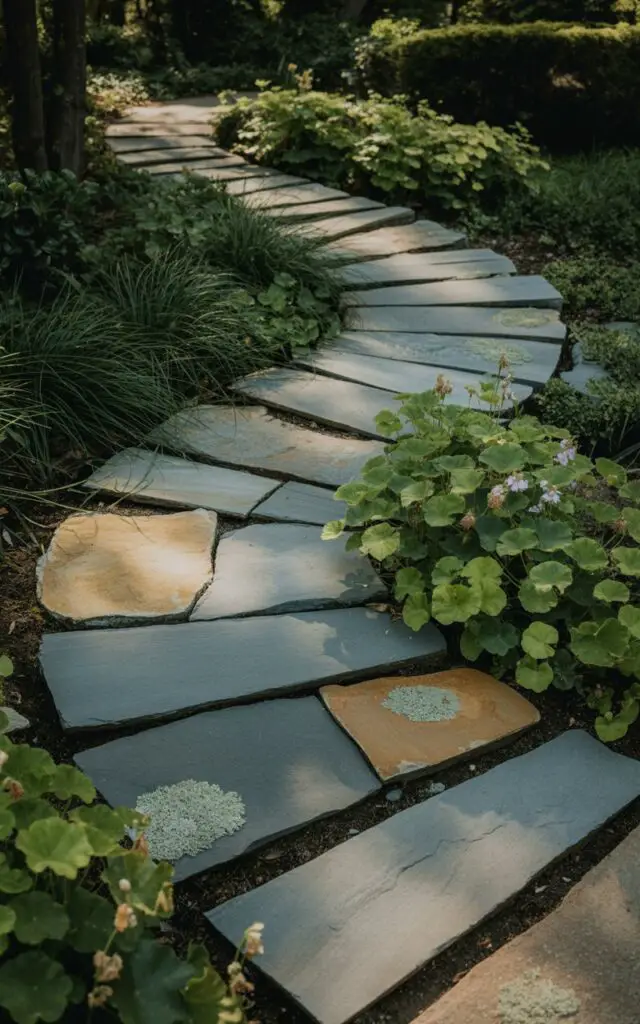
A photograph of a curving stone path winding through a serene woodland garden. The path is elegantly edged by large, irregularly shaped natural stones displaying cool grey, warm beige, and mossy green tones, some adorned with soft lichen. Low-growing sedges and wild geraniums overflow the edges of the path, spilling onto the stones and creating a natural, untamed aesthetic. Soft dappled sunlight filters through the trees, casting gentle shadows and illuminating the earthy elegance of this balanced, timeless garden space.

Forget plastic borders—go for chunky, irregular stones to line paths or beds. 

They blend right into the woodland vibe, like they’ve always been part of the forest floor. 

Over time, moss and lichen may join the party, giving them that perfect, weathered, lived-in look you just can’t fake.


17. Hang Lanterns From Tree Branches
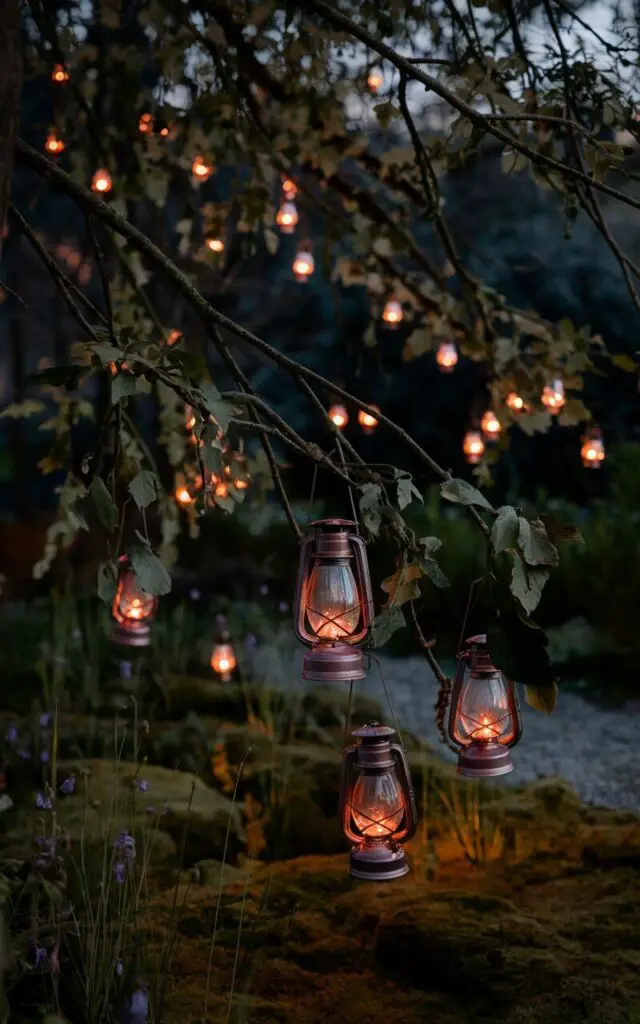
A serene woodland garden at twilight with delicate lanterns hanging from outstretched branches. The lanterns emit a warm amber glow, and their glass panes catch the fading light as they sway gently in the evening breeze. Some lanterns are nestled among leaves, partially hidden, creating a soft canopy of flickering illumination. The ground beneath is covered in moss and wildflowers. The ambiance is dreamlike, intimate, and well-decorated, inviting visitors to experience the garden's magic under the stars.

Drape soft, glowing lanterns from low-hanging branches to make your woodland garden feel like a nighttime fairytale. 

Choose solar or battery-powered lights for an easy setup. 

It’s cozy, whimsical, and gives your garden an after-dark personality that makes you want to linger a little longer.


18. Embrace Fallen Branches
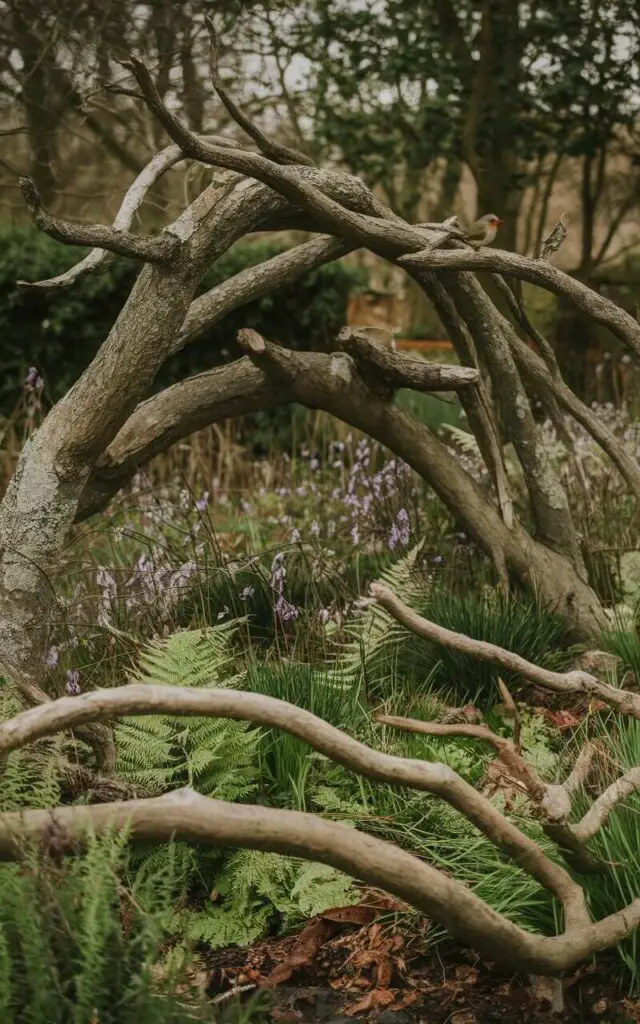
A serene woodland garden setting, with a sculptural display of fallen branches. The branches twist and curve, with some leaning against each other in a loose arch and others sprawled across the forest floor. Moss and lichen cover the bark. Amidst the ferns and wild violets, a robin perches on a branch. The scene is intentionally left undisturbed, highlighting the beauty of decay, imperfection, and the quiet artistry of nature.

Don’t toss every branch that falls—some of them are design gold. 

Lay them casually among your plants or prop them up in creative ways. 

They double as natural sculpture and habitat. 

Plus, it gives your garden that perfectly imperfect wildness that manicured spaces just can’t touch.


19. Introduce Woodland Creatures (Decoratively)

A photo of a woodland garden with decorative animal figures. There's a carved wooden fox peeking from behind a bush, a stone owl perched on a low branch, and a sleepy ceramic hedgehog nestled beside a mushroom cluster. The garden is nestled among soft groundcover and tree roots. The use of neutral, earthy materials ensures the garden remains well decorated, blending whimsy with subtlety, and evoking the enchanted spirit of the woods without overwhelming the natural setting.

Add subtle nods to wildlife with decor—maybe a carved wooden owl, a metal fox peeking out from behind a tree, or a stone hedgehog nestled in the ferns. 

The key is restraint: just enough to feel playful, never kitschy. 

It’s your own quiet nod to the forest’s real inhabitants.


20. Layer With Canopy and Groundcover
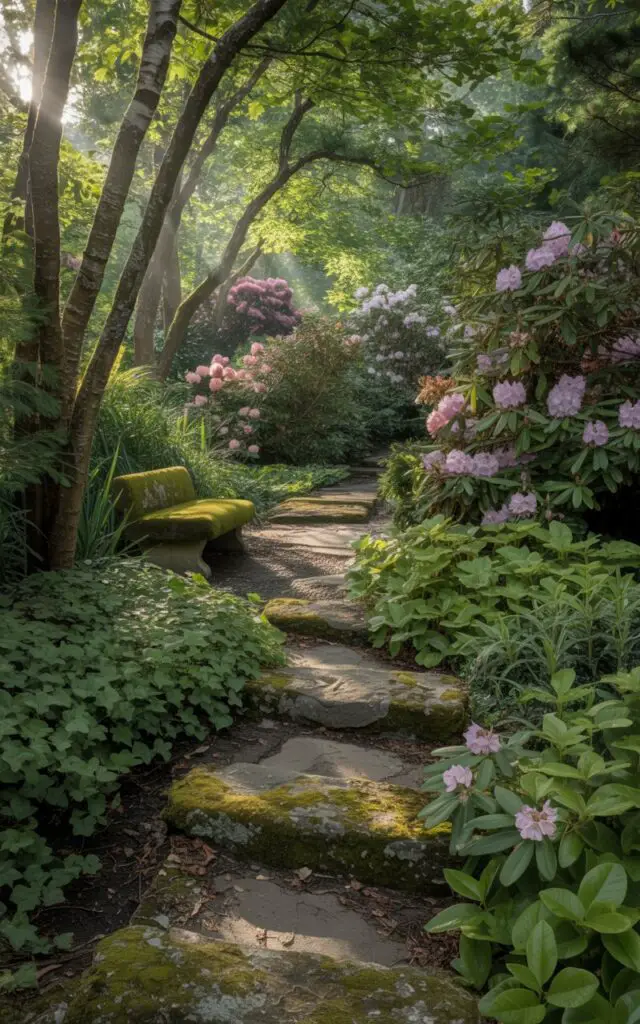
A photograph of a weathered stone path winding through a lush woodland garden, inviting the viewer into a serene and enchanting space. The path is lined with vibrant creeping Jenny and wild ginger, with towering birch trees dappled in sunlight forming a natural archway above. Scattered throughout are clusters of rhododendrons in shades of pink and purple, while a moss-covered stone bench sits invitingly to the side, hinting at quiet contemplation. Soft, diffused light filters through the canopy, creating a magical atmosphere and highlighting the textural richness of the garden.

Woodlands aren’t flat—they’re layered. 

Mimic nature’s blueprint by combining tall trees, mid-height shrubs, and low-growing plants like sweet woodruff or creeping Jenny. 

The result? A garden that feels full, immersive, and alive from the canopy to the forest floor. 

It’s how wild truly comes to life.


21. Let Nature Guide Your Design
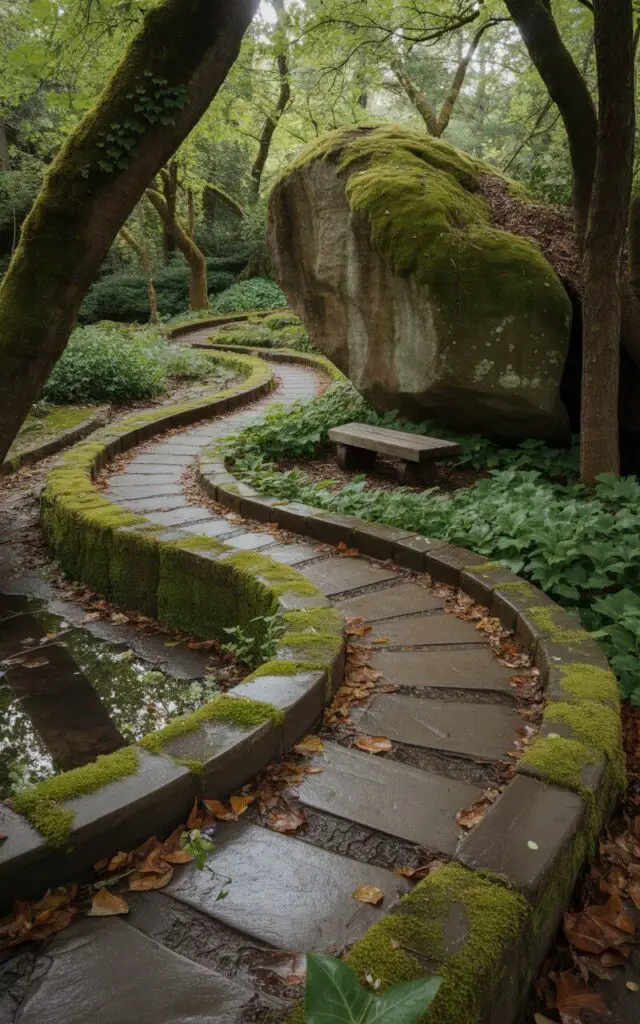
A photograph of a winding stone path meandering through a lush, sprawling woodland garden, showcasing an authentic, untamed beauty. The path gracefully curves around a large, moss-covered boulder, with scattered fallen leaves and tiny wildflowers growing in the crevices. Soft dappled sunlight filters through the canopy, illuminating patches of ferns and vibrant green moss clinging to the roots of ancient trees. The scene exudes a sense of peaceful tranquility, with a single, weathered wooden bench resting invitingly near a small, reflective puddle.

Instead of forcing symmetry or structure, let your garden evolve naturally. 

Work around that old tree. Follow where the sun hits. Let plants self-seed. 

Nature knows what it’s doing—your job is just to listen and respond. 

The most magical woodland gardens always feel like they were discovered, not built.
Woodland Garden Ideas

Similar Posts